Category: Uncategorized

  • alcohol and cancer

    **Alcohol Consumption and Cancer Risk: A Comprehensive Overview**

    Alcohol consumption has long been associated with various health risks, with cancer being one of the most significant concerns. The International Agency for Research on Cancer (IARC), a branch of the World Health Organization (WHO), classifies alcohol as a Group 1 carcinogen, indicating that it is a known cause of cancer in humans. ([aicr.org](https://www.aicr.org/news/alcohol-and-cancer-whats-the-risk/?utm_source=openai))

    **Types of Cancer Linked to Alcohol**

    Research has established a clear connection between alcohol intake and an increased risk of several cancers, including:

    – **Mouth and Throat Cancers**: Alcohol consumption raises the risk of cancers in the mouth, throat (pharynx), voice box (larynx), and esophagus. ([cancer.org](https://www.cancer.org/cancer/risk-prevention/diet-physical-activity/alcohol-use-and-cancer.html?utm_source=openai))

    – **Liver Cancer**: Chronic heavy drinking can lead to liver cirrhosis, which significantly increases the risk of liver cancer. ([cancer.org](https://www.cancer.org/cancer/risk-prevention/diet-physical-activity/alcohol-use-and-cancer.html?utm_source=openai))

    – **Colorectal Cancer**: Both men and women who consume alcohol have a higher risk of developing cancers of the colon and rectum. ([cancer.org](https://www.cancer.org/cancer/risk-prevention/diet-physical-activity/alcohol-use-and-cancer.html?utm_source=openai))

    – **Breast Cancer**: Even moderate alcohol intake can elevate the risk of breast cancer in women. ([cancer.org](https://www.cancer.org/cancer/risk-prevention/diet-physical-activity/alcohol-use-and-cancer.html?utm_source=openai))

    **Mechanisms Behind Alcohol-Related Cancer Risk**

    Alcohol contributes to cancer risk through several biological mechanisms:

    – **Acetaldehyde Production**: When alcohol is metabolized in the body, it is converted into acetaldehyde, a toxic compound that can damage DNA and proteins, leading to cancer development. ([pmc.ncbi.nlm.nih.gov](https://pmc.ncbi.nlm.nih.gov/articles/PMC8470184/?utm_source=openai))

    – **Hormonal Changes**: Alcohol can increase levels of certain hormones, such as estrogen, which is linked to a higher risk of breast cancer. ([cancer.org](https://www.cancer.org/cancer/risk-prevention/diet-physical-activity/alcohol-use-and-cancer.html?utm_source=openai))

    – **Oxidative Stress**: Alcohol metabolism generates reactive oxygen species, leading to oxidative stress that can damage cells and DNA, contributing to cancer progression. ([pmc.ncbi.nlm.nih.gov](https://pmc.ncbi.nlm.nih.gov/articles/PMC8470184/?utm_source=openai))

    **Guidelines and Recommendations**

    Health organizations provide guidelines to mitigate alcohol-related cancer risks:

    – **American Cancer Society**: Recommends that individuals who choose to drink should limit their intake to no more than two drinks per day for men and one drink per day for women. ([cancer.org](https://www.cancer.org/cancer/risk-prevention/diet-physical-activity/alcohol-use-and-cancer.html?utm_source=openai))

    – **World Cancer Research Fund**: Advises that for cancer prevention, it's best not to drink alcohol. ([aicr.org](https://www.aicr.org/news/alcohol-and-cancer-whats-the-risk/?utm_source=openai))

    **OncoPreventer: Your AI-Powered Health Companion**

    In light of the established link between alcohol consumption and increased cancer risk, proactive health management becomes crucial. OncoPreventer offers a personalized approach to cancer prevention and early detection:

    – **Custom Screening Schedules**: Tailored plans based on individual factors such as age, gender, family history, and lifestyle, including alcohol consumption habits.

    – **Timely Reminders**: Automated alerts for regular check-ups, lab tests, and annual visits to ensure consistent health monitoring.

    – **Expert-Backed Recommendations**: Access to trusted information and guidance on health-related questions, including the impact of alcohol on health.

    – **Progress Tracking**: Interactive timelines and health summaries to monitor improvements and areas needing attention.

    – **Seamless Integration**: Compatibility across web platforms, Telegram, and WhatsApp for convenient access.

    By integrating OncoPreventer into your health routine, you can take proactive steps toward reducing cancer risk through personalized care and informed decision-making.


    ## Recent Developments on Alcohol and Cancer Risk:
    – [Even Small Amounts of Alcohol Can Cause Cancer, Surgeon General Says](https://time.com/7204606/surgeon-general-cancer-warning-alcohol/?utm_source=openai), Published on Friday, January 03
    – [How drinking alcohol can affect your health](https://apnews.com/article/3dc58ed10ba5f948cb4f6949e276fb06?utm_source=openai), Published on Friday, January 03
    – [Surgeon general calls for cancer warnings on alcoholic beverages](https://www.axios.com/2025/01/03/surgeon-general-advisory-alcohol-cancer?utm_source=openai), Published on Friday, January 03


  • cancer and obesity

    **Understanding the Link Between Obesity and Cancer**

    Obesity is a significant public health concern, not only due to its association with various chronic diseases but also because of its established link to an increased risk of several types of cancer. ([cdc.gov](https://www.cdc.gov/cancer/risk-factors/obesity.html?utm_source=openai))

    **Obesity-Related Cancers**

    Research has identified a strong association between obesity and an elevated risk of developing certain cancers. These include:

    – **Breast Cancer (Postmenopausal Women):** Excess body weight is linked to a higher risk of breast cancer in women who have gone through menopause. ([cancer.org](https://www.cancer.org/cancer/risk-prevention/diet-physical-activity/body-weight-and-cancer-risk.html?utm_source=openai))

    – **Colorectal Cancer:** Obesity is one of the most important causes of colon cancer, with studies indicating that men with obesity have about a 50% higher risk of intestinal cancer compared to those with a healthy weight. ([obesityaction.org](https://www.obesityaction.org/resources/obesity-and-cancer-fact-sheet/?utm_source=openai))

    – **Endometrial Cancer:** The risk of endometrial cancer increases with higher body weight, as overweight women tend to have higher levels of estrogen and lower levels of progesterone. ([siteman.wustl.edu](https://siteman.wustl.edu/prevention/risk-factors/weight/?utm_source=openai))

    – **Kidney Cancer:** Obesity has been shown to raise the risk of kidney cancer, with mechanisms potentially involving inflammation, increased insulin levels, and higher blood pressure. ([siteman.wustl.edu](https://siteman.wustl.edu/prevention/risk-factors/weight/?utm_source=openai))

    – **Esophageal Cancer:** Obesity increases the risk of esophageal adenocarcinoma, possibly due to gastric acid reflux, which is more common in obese adults. ([siteman.wustl.edu](https://siteman.wustl.edu/prevention/risk-factors/weight/?utm_source=openai))

    **Mechanisms Linking Obesity and Cancer**

    The relationship between obesity and cancer is complex and involves several biological mechanisms:

    – **Hormonal Changes:** Fat tissue produces hormones such as estrogen and insulin. Elevated levels of these hormones can promote the growth of certain cancers. ([mdanderson.org](https://www.mdanderson.org/publications/focused-on-health/how-does-obesity-cause-cancer.h27Z1591413.html?utm_source=openai))

    – **Inflammation:** Obesity leads to chronic low-level inflammation, which can damage DNA and promote cancer cell growth. ([mdanderson.org](https://www.mdanderson.org/publications/focused-on-health/how-does-obesity-cause-cancer.h27Z1591413.html?utm_source=openai))

    – **Insulin Resistance:** Obesity often results in insulin resistance, leading to higher insulin levels that can stimulate cancer cell proliferation. ([mdanderson.org](https://www.mdanderson.org/publications/focused-on-health/how-does-obesity-cause-cancer.h27Z1591413.html?utm_source=openai))

    **Preventive Measures and the Role of OncoPreventer**

    Maintaining a healthy weight is crucial in reducing the risk of obesity-related cancers. Strategies include:

    – **Healthy Diet:** Consuming a balanced diet rich in fruits, vegetables, whole grains, and lean proteins.

    – **Regular Physical Activity:** Engaging in at least 150 minutes of moderate-intensity exercise per week.

    – **Weight Management:** Achieving and maintaining a healthy weight through a combination of diet and exercise.

    Incorporating these practices can significantly lower the risk of developing obesity-related cancers.

    **OncoPreventer: Your AI-Powered Health Companion**

    In the journey toward cancer prevention, proactive and personalized care is essential. OncoPreventer offers a comprehensive solution to help individuals manage their health effectively:

    – **Custom Screening Schedules:** OncoPreventer creates personalized screening plans based on individual factors such as age, gender, family history, and lifestyle, ensuring timely and relevant health checks.

    – **Smart Reminders:** The app sends timely reminders for check-ups, lab tests, and annual visits, helping users stay on top of their health without the stress of remembering appointments.

    – **Expert-Backed Recommendations:** OncoPreventer provides clear, trusted answers to health-related questions, empowering users to make informed decisions about their health.

    – **Progress Tracking:** The app features interactive timelines and health summaries, allowing users to monitor their health journey and celebrate milestones.

    – **Seamless Integration:** OncoPreventer works across web platforms, Telegram, and WhatsApp, offering flexibility and convenience in accessing health information.

    By integrating OncoPreventer into your health routine, you can take proactive steps toward cancer prevention and early detection, aligning with the recommended strategies to reduce cancer risk associated with obesity.

    **Conclusion**

    Understanding the link between obesity and cancer is vital for implementing effective preventive measures. Maintaining a healthy weight through diet and exercise plays a significant role in reducing cancer risk. Utilizing tools like OncoPreventer can further enhance proactive health management, providing personalized care and support in the journey toward better health.

  • Multigene Testing in Pancreatic Cancer: NCCN Impact

    In the constantly evolving field of oncology, one of the most promising frontiers is molecular testing, especially multi-gene panel testing, which holds the key to personalized and targeted cancer therapies. Dr. Maurie Markman from City of Hope sheds light on a pivotal study focusing on the utilization and outcomes of such testing in pancreatic ductal adenocarcinoma (PDAC), the most common type of pancreatic cancer. This particular analysis, derived from the Mayo Clinic’s comprehensive data across Rochester, Arizona, and Florida, provides a thought-provoking snapshot of how molecular testing is being integrated into clinical practice, and raises important questions about its optimal implementation going forward.

    The study surveyed a cohort of 533 pancreatic cancer patients, assessing how many underwent multi-gene panel testing before and after the National Comprehensive Cancer Network (NCCN) issued formal guidelines recommending such testing. It’s important to appreciate the robustness of the Mayo Clinic’s integrated system, where specialized groups collaborate closely, and a comprehensive electronic medical record system ensures accurate tracking of testing and discussions related to it. However, Dr. Markman points out that while this offers a reliable insight, it remains open to interpretation whether other healthcare systems have reached comparable levels of uptake, an area that certainly invites further investigation.

    Before the NCCN guidelines, clinicians were relying on their expertise—gleaned from literature, conferences, and continuing medical education—to decide whether to recommend molecular testing. During this period, approximately 34% of patients had documented conversations about multi-gene panel testing, and among those, an encouraging 81% proceeded with it. This suggests that when discussions were initiated, a majority of patients consented to testing, indicating a willingness to engage in personalized medicine approaches. After the guidelines’ publication, however, the rates of documented discussions only nudged slightly higher, to 39%, with a slightly reduced percentage (75%) of those patients moving forward with testing. The fact that a mere four in ten patients had conversations about testing even after official recommendations underlines potential barriers or gaps that remain in translating guidelines into routine clinical practice.

    One might wonder why the increase wasn’t more dramatic post-guidelines, especially given the mounting evidence supporting targeted therapies informed by genetic profiles. Dr. Markman hints at a complex interplay of factors: physician awareness, systemic logistics, patient readiness, and perhaps varying perceptions of molecular testing’s value. What's particularly striking is the identification of pathogenic variants in 17% of the patients tested. Even more compelling is that about 11% of those variants were linked to prostate cancer-related abnormalities—an intersection that not only helps tailor individual treatment strategies but also serves as critical information for family members who might be at risk due to hereditary cancer syndromes. This exemplifies how molecular testing transcends immediate clinical care and moves into the realm of familial health, emphasizing the holistic impact of genomic medicine.

    Reflecting on these findings, Dr. Markman eloquently frames this study as a crucial baseline—an elemental step in understanding the penetration of molecular testing into pancreatic cancer care. Considering the rapid advances in targeted therapies and precision oncology over recent years, it wouldn’t be surprising if utilization rates have improved since then. Yet, this study reminds clinicians and researchers alike that simply having guidelines isn’t enough; active efforts must be taken to facilitate discussions, improve patient access, and integrate molecular testing seamlessly into clinical workflows. Moreover, as targeted therapies become more nuanced and the genetic landscape of cancers better understood, molecular testing can shift from a recommended option to a standard of care—offering hope in one of the most challenging cancer types.

    In the grander context of oncology, this analysis underscores how far we’ve come and how far we still have to go. Pancreatic cancer remains a daunting diagnosis, but the era of personalized medicine opens new avenues for hope. The slow but steady integration of multi-gene panel testing represents the healthcare community’s evolving commitment to harnessing genetic insights for more effective, tailored treatments. Dr. Markman’s call for follow-up studies, perhaps tracking progress into 2024 and beyond, highlights the imperative for ongoing evaluation, research, and education. Ultimately, this endeavor is about more than numbers and percentages—it’s about transforming patient outcomes and, hopefully, shifting the narrative in the fight against pancreatic cancer.

    #PancreaticCancer #MolecularTesting #PrecisionOncology #CancerResearch #TargetedTherapy #GenomicMedicine #HealthcareInnovation

  • physical activity against cancer

    Cancer remains one of the most formidable health challenges worldwide, affecting millions each year regardless of age or background. While medical research has made remarkable strides in treating various forms of cancer, prevention continues to be the cornerstone of reducing its incidence and enhancing quality of life. Among the most powerful tools in our arsenal is something surprisingly accessible: regular physical activity. Research consistently highlights how staying active not only strengthens our bodies but also acts as a robust shield against numerous cancer types. From breast and colon cancer to endometrial cancer, exercise’s protective effects are profound, making movement a vital ally in our fight against this disease.

    Physical activity’s cancer-preventive power stems from multiple interwoven mechanisms that influence our body’s internal environment. For starters, exercise helps regulate weight, which is a significant factor since obesity increases cancer risk. When we engage in physical movement, our bodies burn calories, preventing excess fat accumulation where harmful inflammatory chemicals often lurk. Chronic inflammation is a known culprit in promoting cancer development — exercise combats this by lowering inflammation markers, such as C-reactive protein, that signal troubled cellular environments. On the hormonal front, exercise can reduce levels of circulating estrogen, an important factor because high estrogen levels are linked with cancers like breast and ovarian. Additionally, regular movement boosts immune function by increasing the circulation of cells that patrol for and neutralize potential cancer cells. Another fascinating insight is how exercise improves digestion by speeding up the transit of waste through the colon, reducing the time harmful substances come into contact with intestinal linings and potentially decreasing cancer risk there.

    Delving deeper into the biology, exercise acts like a symphony conductor harmonizing multiple body systems to maintain balance. When you sweat it out, your metabolic processes adjust to ensure insulin and insulin-like growth factor levels—both of which can encourage tumor growth when elevated—stay within healthy boundaries. By promoting insulin sensitivity, exercise curbs these growth-promoting signals. Moreover, regular physical activity strengthens the body’s antioxidant defenses, helping to repair and prevent DNA damage that can trigger mutations leading to cancer. Essentially, exercise creates a hostile environment for tumor initiation and progression by addressing root causes on several fronts simultaneously. It’s a multitasking virtuoso that might just be the best natural medicine ever discovered, without the side effects—a fact that’s both great news and a call to action.

    However, adopting and maintaining a consistent exercise routine and other preventive habits isn't always straightforward in our fast-paced lives. This is where modern technology steps in to bridge gaps between knowledge, motivation, and practical application. Enter OncoPreventer, a cutting-edge AI-powered assistant designed to revolutionize cancer prevention and early detection. This smart platform relies on personalized data—such as your age, gender, family history, and importantly, lifestyle factors like physical activity levels—to create bespoke screening schedules. It’s almost like having a virtual health coach who knows precisely when you need to schedule exams, labs, or consultations tailored to your individual risk profile. Plus, OncoPreventer’s intelligent reminders keep these dates from slipping through the cracks, reducing stress and ensuring timely health check-ins that might otherwise be overlooked.

    But OncoPreventer offers more than just schedules and nudges; it’s a treasure trove of accessible, expert-backed information that demystifies complex medical language, empowers you to make informed decisions, and supports sustained engagement. By digitally tracking your activity and health progress, the app helps visualize your journey, showing where you’ve succeeded and where you might want to step up your efforts. With convenient accessibility through web browsers, Telegram, and WhatsApp, its support is always within reach, turning cancer prevention into a manageable, everyday practice rather than a daunting task. This fusion of science, technology, and personalized care exemplifies the future of proactive health management—transforming well-intentioned resolutions into lifelong habits that genuinely save lives.

    Ultimately, embracing an active lifestyle supplemented by intelligent tools like OncoPreventer redefines how we approach health and cancer prevention. It emphasizes that while our biology and environments present challenges, we hold significant power through daily choices—choices supported and amplified by technology tailored to our unique profiles. When exercise is combined with timely, personalized screenings and continuous expert guidance, the result is a balanced, proactive defense system against cancer. This approach not only enhances physical resilience but also nurtures mental well-being, creating a holistic shield. So whether it’s a morning jog, a brisk walk, or even a dance session in your living room, moving more is a joyful, accessible, and scientifically proven step toward a healthier future, with OncoPreventer lighting the path ahead.

    #CancerPrevention #PhysicalActivity #HealthyLiving #OncoPreventer #AIHealthCare #ProactiveHealth #FightCancer

  • CRISPR-Cas9-Edited TILs Targeting Intracellular Immune Checkpoint CISH in Metastatic Colorectal Cancer

    In a first-in-human, single-institution phase I trial reported in The Lancet Oncology, Lou et al found that autologous tumor infiltrating lymphocytes (TILs) genetically edited with CRISPR-Cas9 to target the intracellular immune checkpoint CISH were tolerable and showed evidence of activity in patients with metastatic colorectal cancer.

    The TILs are edited to enable knockout of CISH, which encodes cytokine-inducible SH2-containing protein, a novel intracellular immune checkpoint target.

    Study Details

    The study included patients enrolled at University of Minnesota Medical School between May 2020 and September 2022. Patients had a diagnosis of metastatic gastrointestinal epithelial cancer with progressive disease following at least one first-line standard therapy, measurable disease with at least one lesion identified as resectable for TIL generation, and at least one other measurable lesion for evaluating treatment response.

    TILs were obtained from tumor biopsies and expanded on the basis of neoantigen reactivity, subjected to CRISPR-Cas9-mediated CISH knockout, and infused into patients after non-myeloablative lymphocyte-depleting chemotherapy (cyclophosphamide 60 mg/kg per dose on study days –6 and –5, and fludarabine 25 mg/m² per dose on days –7 to –3); TIL infusion was followed by up to six doses of high-dose interleukin-2 (IL2; 720,000 IU/kg per dose) every 8 hours.

    Key Findings

    CISH knockout TIL products were successfully manufactured for 19 (86%) of 22 enrolled patients; 12 (63%) of the 19 received a single CISH knockout TIL infusion. Median follow-up among the 12 patients was 129 days (interquartile range = 15–283).

    Treatment-related severe adverse events occurred in each of 12 patients; the most common grade 3/4 events were hematologic events (12 patients, attributable to the lymphodepleting regimen or IL-2), fatigue (4 patients, 33%), and anorexia (3 patients, 25%). No serious adverse events or treatment-related deaths were associated with TIL treatment. No grade ≥ 3 cytokine release syndrome or neurotoxicity events were observed.

    Stable disease at day 28 was observed in six patients (50%) and at 56 days in four (33%). One patient with microsatellite instability-high colorectal cancer refractory to anti-PD1/CTLA-4 therapies had a complete response ongoing at > 21 months.

    The investigators concluded: “These results support the safety and potential antitumor activity of inhibiting the immune checkpoint CISH through the administration of neoantigen-reactive CISH-knockout TILs, with implications for patients with advanced metastatic cancers refractory to checkpoint inhibitor immunotherapies, and provide the first evidence that a novel intracellular checkpoint can be targeted with therapeutic effect.”

    Emil Lou, MD, Division of Hematology, Oncology, and Transplantation, University of Minnesota, Minneapolis, is the corresponding author for The Lancet Oncology article.

  • Overall Experience: Elevating the Patient Encounter

    I still remember my first office—white walls, fluorescent lights, and a faint smell of antiseptic. I thought, “There has to be a better way.” As a health care professional in Los Angeles, California, I know how an inviting, personality-driven environment can transform a patient’s overall experience.

    The sterile settings we typically associate with health care might make sense from a functional standpoint, but they often miss the mark when considering the patient’s point of view.

    Although our clinical excellence is vital, we must allow the people who walk into our space to feel the warmth and personality of our practice. The real power of branding is in the emotions you evoke in your patients. Some of the important observations I’ve made about practices include the following:

    An office designed to delight inspires people to talk. Medical anxiety is real, with nearly 50% of adults feeling nervous about scheduling an appointment or visiting a medical practice.1 When a patient has a positive experience, they will likely share this with others, which can turn into referrals.

    When you invest in a unique brand identity, you give patients something to remember, turning everyday appointments into positive, shareable experiences. In addition, if patients travel hours just to reach your office, you know you’re doing something right.

    Branding in the health care industry should prioritize communicating empathy and care through every touchpoint. We still aim for clinical excellence. But our environment sets a tone that says, “We understand you might be anxious, and we’ve gone the extra mile to help you feel at ease.”

    Kemia Zeinali, DMD, MBA, discovered her passion for dentistry while volunteering at free clinics in college, where she saw firsthand the profound impact quality care can have on underserved communities. In 2023, she founded Dreamhouse Dental, which values each patient’s well-being and fosters a positive health care experience.

    Access the full article at https://bit.ly/43tqyRK

    REFERENCE:

    1. Salamon M. Afraid to visit the doctor? Harvard Health. April 1, 2024. Accessed March 27, 2025. https://www.health. harvard.edu/staying-healthy/afraid-to-visit-the-doctor

  • GE HealthCare unveils ultra-premium, high-performance gradient 1.5T MRI system

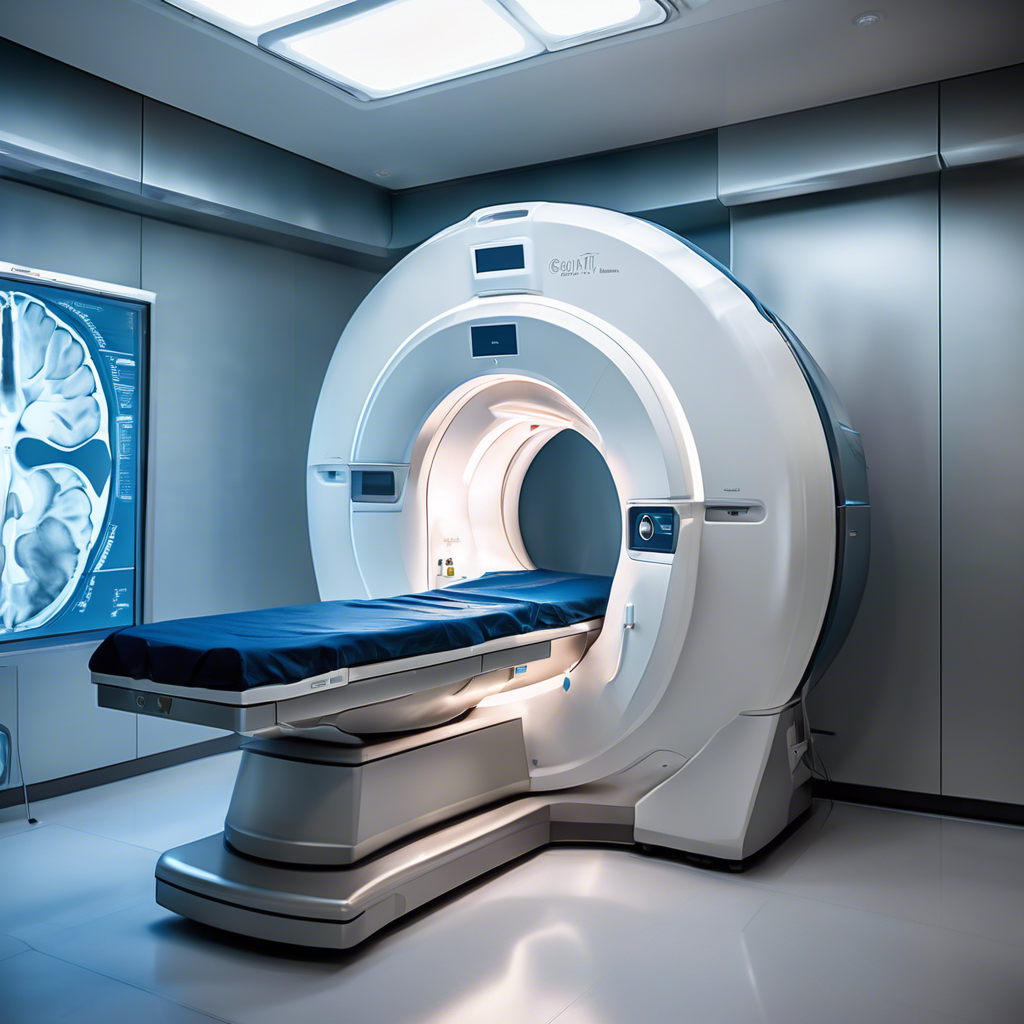
    GE HealthCare has recently lifted the veil on its groundbreaking innovation in magnetic resonance imaging (MRI) technology: the SIGNA™ Sprint, a next-generation wide bore 1.5 Tesla (T) MRI scanner that promises to revolutionize imaging, particularly in the fields of cardiology and oncology. Unveiled at the prestigious International Society for Magnetic Resonance in Medicine (ISMRM) conference held in Honolulu in May 2025, SIGNA Sprint aims to drastically enhance the clarity, speed, and diagnostic confidence of MRI scans at the 1.5T strength level—a realm traditionally dominated by 3.0T MRI systems. This development holds particular significance considering that cardiovascular disease and cancer continue to be some of the deadliest illnesses worldwide, responsible for nearly 32% and close to 10 million deaths annually, respectively.

    What sets SIGNA Sprint apart is its integration of advanced high-performance gradient technology coupled with sophisticated built-in artificial intelligence (AI) algorithms, designed to deliver exceptionally detailed, sub-millimetric imaging of critical anatomical structures. While 3.0T MRI machines have traditionally been prized for their ability to generate faster and more detailed images, SIGNA Sprint bridges this gap by offering comparable gradient performance (65/200 per axis), which is a measure of the magnetic field's strength and switching speed that directly affects image resolution and scan time—making high-clarity diffusion imaging accessible at 1.5T. This is a game-changer for oncology, where diffusion-weighted imaging plays a vital role in early diagnosis and treatment planning by highlighting subtle differences in tissue cellularity and integrity. Moreover, the scanner's compatibility with deep learning reconstruction techniques aims to streamline cardiac MRI by reducing scan times and mitigating the need for extensive operator expertise, potentially shortening the patient’s time in the machine and improving diagnostic workflow.

    In a remarkable blend of technological innovation and patient-centric design, the SIGNA Sprint is not merely faster and clearer; it is also crafted with patient comfort in mind. The system boasts a 70cm wide bore, significantly larger than the traditional MRI bore diameter, allowing patients more space and reducing feelings of claustrophobia—a common complaint during MRI scans. Moreover, it features free-breathing capabilities, which are particularly beneficial for those patients who find breath-holding difficult, such as those with cardiopulmonary diseases or pediatric patients. Adding to the comfort quotient is the "blanket-like" AIR™ Coils — lightweight, flexible MRI coils that conform to the body's shape, enhancing both comfort and signal quality. Behind the scenes, the system leverages a trifecta of proprietary AI technologies—AIR™ Recon DL, Sonic DL™, and AIR x™—which collectively enhance image quality across complex anatomical regions while accelerating the entire scanning process.

    GE HealthCare’s unveiling of the SIGNA Sprint is complemented by additional advances showcased at the ISMRM event, underscoring the company's leadership in MRI innovations. These include the SIGNA™ MAGNUS, a head-only MRI scanner that excels in high-resolution, short-duration scans ideal for neurological research and diagnostics, and Sonic DL™ 3D, a deep learning-powered tool designed to speed up scans across diverse clinical applications. Furthermore, the company demonstrated its commitment to sustainability by previewing the Freelium™, a helium-free magnet platform in development to mitigate the environmental and operational challenges linked to helium usage in MRI magnets. This innovation not only addresses supply chain vulnerabilities but aims to maintain clinical performance without compromise, showing a forward-thinking approach to eco-friendly healthcare technology.

    From a broader perspective, GE HealthCare stands as a titan in the medical technology field, celebrating over 125 years of innovation and impact. With a workforce of around 53,000 people and an annual revenue nearing $20 billion, the company operates at the intersection of medical imaging, pharmaceutical diagnostics, and AI-powered data analytics. The SIGNA Sprint project embodies GE HealthCare’s mission to enhance clinical efficiency and precision, shorten diagnosis to treatment timelines, and ultimately deliver empathetic, patient-first healthcare solutions. For medical professionals and researchers, this means new horizons in clinical research, diagnostics, and patient monitoring, reinforcing the growing trend toward personalized medicine. And for patients, it represents not only the hope of earlier and more accurate disease detection but also a more comfortable and less anxiety-inducing imaging experience.

    In summary, the SIGNA™ Sprint has arrived at a critical juncture in healthcare, addressing the need for powerful yet accessible MRI technology that transcends previous constraints of hardware limitations and patient discomfort. By democratizing high-performance imaging traditionally reserved for 3.0T scanners into the more widely available 1.5T platform, GE HealthCare is poised to impact millions worldwide—especially in the battle against cardiovascular disease and cancer. This MRI system’s fusion of AI-driven precision, engineering excellence, and user-centered features heralds a new era where fast, dependable, and detailed imaging is within reach for more clinics and hospitals globally. As the healthcare industry continues to lean on technology to deliver improved outcomes, innovations like SIGNA Sprint exemplify the remarkable strides being made toward a future where healthcare truly has no limits.

    #GEHealthCare #MedicalImaging #MRIInnovation #CancerDiagnostics #CardiologyCare #HealthcareTechnology #AIinMedicine

  • Rebecca A. Campbell, MD, discusses citation rates for men and women in the oncology literature

    Significant disparities in Altmetric Attention Scores and citation rates between women and men first/last authors in oncology were reported in a recent study in JCO Oncology Practice.1 In a recent interview with Urology Times®, study author Rebecca A. Campbell, MD, was asked about potential mechanisms driving these gaps.

    “I think 1 thing that people might hypothesize is that the lower citation rates of women-women papers may be due to less female physicians in these fields, thus less papers published by women-women combinations. But actually, that can't explain things because the proportion of women in each field would not [affect] the expected or observed citation rates that we calculated with our gender-blind expectations model, so that is independent of the total women-women or male-male authorship or the other categories we looked at, so that cannot be explained by that,” said Campbell, a urologic oncology fellow at Cleveland Clinic in Cleveland, Ohio.

    She added, “In terms of receiving attention, we have some hypotheses about that, 1 being that there was another study that we cited showing that women were less likely to be published as first and last authors in high impact factor journals, and these articles, being that they're in high impact journals, would be more likely to be discussed in mainstream media, featured on Twitter, have more retweets, etc, and thus leading to a higher Altmetric Attention Score. And also, as we all know, social media mentions are becoming more important as the methods for disseminating scientific information and online discourse, such as on Twitter or other social media platforms, can drive new news coverage and broader engagement with academic work.”

    REFERENCE

    1. Campbell RA, Helstrom E, Chew L, et al. Gender disparities in citations and Altmetric Attention Score in oncology. JCO Oncol Pract. 2025 Apr 10:OP2400767. doi:10.1200/OP-24-00767

  • telegram bot for health

    **OncoPreventer: Your AI-Powered Assistant for Cancer Prevention and Early Detection**

    In today's fast-paced world, maintaining optimal health can be challenging. OncoPreventer emerges as a beacon of hope, offering a personalized, AI-driven approach to cancer prevention and early detection. This innovative platform seamlessly integrates medical expertise with cutting-edge technology to provide users with a comprehensive health companion accessible via web, Telegram, and WhatsApp.

    **Personalized Screening Plans**

    Understanding that each individual's health profile is unique, OncoPreventer crafts custom screening schedules tailored to your age, gender, family history, and lifestyle. By considering these factors, the platform ensures that your health assessments are both relevant and timely, enhancing the effectiveness of preventive measures.

    **Timely Reminders and Notifications**

    Consistency is key in health maintenance. OncoPreventer sends smart reminders for check-ups, lab tests, and annual visits, ensuring you never miss a crucial appointment. These timely nudges help in adhering to your health regimen, fostering a proactive approach to well-being.

    **Expert-Backed Recommendations**

    Navigating health information can be overwhelming. OncoPreventer provides clear, trusted answers to your health-related questions, backed by medical experts. This feature empowers you to make informed decisions about your health, reducing uncertainty and promoting confidence in your health choices.

    **Progress Tracking and Health Summaries**

    Visualizing your health journey can be motivating. OncoPreventer offers interactive timelines and health summaries, allowing you to track your progress over time. This feature not only highlights improvements but also identifies areas needing attention, facilitating a balanced approach to health management.

    **Seamless Integration Across Platforms**

    Flexibility in accessing health information is crucial. OncoPreventer operates seamlessly across web, Telegram, and WhatsApp, ensuring that your health companion is always within reach, regardless of your preferred platform.

    **No Medical Jargon, Just Proactive Care**

    Health information should be accessible and understandable. OncoPreventer eliminates complex medical terminology, presenting information in a user-friendly manner. This approach reduces stress and confusion, making proactive, preventive care a part of your daily routine.

    **The Value Proposition of OncoPreventer**

    OncoPreventer stands out by combining personalized care with advanced AI technology, offering a holistic approach to cancer prevention and early detection. Its user-centric design ensures that health management is not only effective but also convenient and stress-free. By integrating medical expertise with AI, OncoPreventer provides a unique value proposition: a personalized, proactive, and accessible health companion dedicated to reducing cancer risk through informed and timely interventions.

    **Conclusion**

    In a world where health is paramount, OncoPreventer offers a sophisticated yet user-friendly solution to cancer prevention and early detection. Its personalized approach, timely reminders, expert-backed recommendations, and seamless integration across platforms make it an invaluable tool in your health journey. Embrace proactive, preventive care with OncoPreventer and take a significant step towards a healthier future.

  • online health check-up service

    In today's fast-paced world, maintaining good health can often take a backseat, even though early detection and prevention can be the key to overcoming many serious illnesses, including cancer. Thanks to advances in technology, online health check-up services are revolutionizing how we approach personal healthcare, making it easier, more accessible, and more personalized than ever before. One standout in this space is OncoPreventer, an AI-powered assistant designed specifically for cancer prevention and early detection.

    OncoPreventer offers a cutting-edge, intelligent health companion aimed at reducing cancer risk through proactive and personalized care. This innovative service combines the expertise of medical professionals with the precision and efficiency of AI technology to create truly bespoke health strategies tailored to individual needs.

    At its core, OncoPreventer excels in crafting custom screening schedules. Understanding that cancer risks vary greatly depending on factors such as age, gender, family medical history, and lifestyle, the app designs a personalized plan that ensures you stay ahead in the fight against cancer. This tailored approach greatly enhances the likelihood of catching potential health issues early, where they are often most treatable.

    Timely reminders are crucial in healthcare adherence. The service smartly sends notifications for upcoming check-ups, lab tests, and annual visits, making it effortless for users to stick to their health plans without the usual stress of remembering multiple appointments. This feature alone eliminates one of the biggest barriers to regular health screening.

    Beyond scheduling and reminders, OncoPreventer acts as a reliable source of clear, trusted answers to health-related questions. Many individuals feel overwhelmed by medical jargon and complex information; this service addresses that by providing straightforward explanations and guidance, making health information more accessible and actionable.

    Tracking progress is simplified through interactive timelines and comprehensive health summaries. Users can visualize their health journey, understand trends, and make informed decisions about their lifestyle and health choices. This level of engagement encourages users to take an active role in their health management.

    The accessibility of OncoPreventer is another key advantage. It is designed to work seamlessly across multiple platforms including web browsers, Telegram, and WhatsApp. This flexibility ensures that it integrates smoothly into users’ daily digital habits, offering convenience and continuous support wherever they are.

    The value of OncoPreventer lies not only in its advanced AI technology but also in its compassionate, user-friendly approach. It removes the intimidation often associated with medical check-ups, replacing it with a stress-free experience focused entirely on proactive, preventative care.

    By choosing an online health check-up service like OncoPreventer, individuals can empower themselves with personalized tools and knowledge to take control of their cancer prevention journey. This represents a significant step forward in healthcare, promoting early detection, reducing risks, and ultimately saving lives.

    In conclusion, the rise of online health check-up services is transforming cancer prevention from a reactive to proactive endeavor. OncoPreventer stands out in this digital health landscape as an essential ally, providing personalized, expert-backed care strategies accessible at your fingertips. Whether you are looking to reduce your cancer risk or simply maintain your health with confidence, OncoPreventer is an invaluable resource that combines medical expertise and AI technology to keep your well-being on track, stress-free and informed.