
Category: Uncategorized

  • cancer vaccines

    Cancer vaccines represent a revolutionary leap forward in the ongoing fight against one of humanity’s most formidable foes: cancer. Unlike conventional therapies that primarily address the disease after it has already manifested, cancer vaccines adopt a forward-thinking approach, seeking either to prevent the development of certain cancers or to empower the immune system to recognize and eradicate cancer cells more effectively. This paradigm shift in oncology not only broadens the arsenal against cancer but also promises to enhance patient outcomes across a diverse spectrum of cancer types.

    Vaccines against cancer fall into two broad categories: preventive, also called prophylactic, vaccines and therapeutic vaccines. Preventive vaccines are designed to shield individuals from cancers triggered by infectious agents. For instance, the Human Papillomavirus (HPV) vaccine, perhaps the most widely known, dramatically lowers the risk of cervical and several other HPV-associated cancers by targeting the virus before it can cause trouble. Similarly, the Hepatitis B vaccine plays a critical role in reducing the incidence of liver cancer by preventing infection with the hepatitis B virus. These vaccines are remarkable public health triumphs, significantly curbing virus-induced cancers and saving countless lives. Did you know that HPV is responsible for nearly all cases of cervical cancer, a disease that once claimed the lives of many young women worldwide? The availability of this vaccine marks one of the rare instances where we can prevent cancer by targeting its root cause—infectious viruses.

    In contrast, therapeutic cancer vaccines aim to tackle cancers that have already developed, giving the immune system a much-needed boost to tackle malignant cells. They do this by introducing specific antigens—molecular flags unique to cancer cells—so the immune defenses can more easily differentiate between normal and cancerous tissue. Although still largely in the experimental and clinical trial phases, therapeutic vaccines have demonstrated promising results, suggesting they could one day offer potent treatment options with potentially fewer side effects than traditional chemotherapy or radiation. Imagine a future where a cancer vaccine acts like a tailor-made instruction manual for your immune cells, enabling them to surgically seek out and destroy cancer, sparing healthy tissues along the way. It’s an exciting frontier that blends immunology with precision medicine.

    Maximizing the benefits of such vaccines, along with other prevention strategies, requires personalized healthcare—a method that considers an individual’s unique risk factors, including genetics, lifestyle, and family history. Enter OncoPreventer, an innovative AI-powered assistant poised to revolutionize how people manage their cancer risk. This intelligent tool melds cutting-edge artificial intelligence with medical expertise to craft highly personalized cancer screening schedules. Factors like age, gender, familial cancer patterns, and lifestyle habits are all integrated to ensure that each individual receives timely, relevant screenings. Early detection remains a cornerstone of successful cancer treatment, and OncoPreventer helps users stay one step ahead. Beyond just scheduling, it provides smart prompts for check-ups, laboratory tests, and annual visits, helping users adhere to their care plans without the overwhelm of medical complexity. For healthcare enthusiasts, it’s like having a personal health coach who speaks in plain English and is available 24/7 across multiple platforms—whether through a web browser, Telegram, or WhatsApp.

    Moreover, OncoPreventer empowers individuals by offering answers to health-related questions and giving them a comprehensive overview through interactive timelines and health summaries. This level of engagement turns users into active participants in their wellness journey. Its seamless integration across devices and communication channels ensures convenience, making preventive care a natural part of daily life rather than a daunting task. The fusion of cancer vaccines with AI-driven personalized healthcare tools like OncoPreventer epitomizes the future of cancer prevention, where biology meets technology to create a proactive, patient-centered approach. Such innovations are not just theoretical—they represent tangible steps toward reducing the global cancer burden by enabling people to manage their health wisely and confidently.

    In summary, the advent of cancer vaccines heralds a new era in oncology, providing both preventive and therapeutic avenues that significantly alter how cancer is approached. When paired with AI-powered platforms like OncoPreventer, individuals gain access to personalized screening, timely reminders, and clear, expert guidance—transforming cancer prevention from a reactive necessity into a proactive, personalized plan. As medical research and technology continue their rapid evolution, embracing these innovations is key to fostering healthier populations and dramatically cutting cancer incidence worldwide. Who knows? One day, cancer vaccines might become as routine as childhood immunizations, offering a world where cancer is far less feared, far more preventable, and much more conquerable.

    #CancerVaccines #OncoPreventer #AIInHealthcare #CancerPrevention #Immunotherapy #PersonalizedMedicine #HealthTechInnovation

  • The Oncology Institute Welcomes Dr. Jeff Langsam as Chief Clinical Officer

    CERRITOS, Calif., May 14, 2025 (GLOBE NEWSWIRE) — The Oncology Institute, Inc. (NASDAQ: TOI) (“TOI”), one of the largest value-based oncology groups in the United States, announced today that Dr. Jeffrey Langsam will assume the role of enterprise Chief Clinical Officer effective May 13th, 2025. The CCO role will oversee therapeutics including pathway and procurement decisions, utilization management, and MSO practice clinical engagement. Dr. Langsam joins TOI from Cigna Healthcare, where he was the National Director of Oncology and a Senior Medical Director in the Specialty Pharmacy Division. He previously served as a Regional Medical Director at Aetna, and was clinical faculty at the University of Connecticut where he was a practicing oncologist for many years.

    “We are ecstatic that Dr. Langsam is joining our already impressive group of clinical leaders at TOI as our next CCO.” said Daniel Virnich, CEO of The Oncology Institute. “As we see acceleration in new value-based partnerships across the country and growth in our MSO model, Dr. Langsam’s deep expertise in Oncology and Specialty Pharmacy will be pivotal in scaling our therapeutic decision-making model across the enterprise and building a high-value engaged MSO network.”

    “I couldn’t be more excited about joining the senior leadership team at TOI as CCO”, commented Dr. Langsam. “TOI has been leading value-based community oncology for many years, and acceleration in risk-based contracts and service offerings makes this a critical moment for the organization to continue scaling its clinical model to provide even greater benefits to patients and payor partners.”

    About The Oncology Institute

    Founded in 2007, TOI is advancing oncology by delivering highly specialized, value-based cancer care in the community setting. TOI offers cutting-edge, evidence-based cancer care to a population of over 1.8 million patients including clinical trials, transfusions, and other services traditionally associated with the most advanced care delivery organizations. With over 120 employed clinicians and more than 700 teammates in over 70 clinic locations, TOI is changing oncology for the better.

    For more information, visit www.theoncologyinstitute.com

    Contacts

    Media

    The Oncology Institute, Inc.

    [email protected]

    Investors

    Solebury Strategic Communications

    [email protected]

  • HPV vaccine

    Human papillomavirus, or HPV, is more than just a mouthful of a medical term—it’s one of the most common sexually transmitted infections (STIs) worldwide. While many people who contract HPV may never know they have it, certain high-risk types of this virus can lead to serious health problems, including various forms of cancer. The introduction of the HPV vaccine has revolutionized the way we approach cancer prevention, offering a powerful shield against the types of HPV most commonly linked to cancer. But the vaccine is only part of the story. In the modern fight against cancer, combining vaccination with advanced health tools like OncoPreventer can create a personalized and effective defense. Let’s dive into why the HPV vaccine is a game-changer and how innovative technology is helping individuals take their health into their own hands.

    HPV is a group of more than 100 related viruses, but only about 14 high-risk types are known culprits behind cancers such as cervical, anal, throat, and several genital cancers. Among these, types 16 and 18 are the real troublemakers, responsible for roughly 70% of global cervical cancer cases. It’s fascinating how a virus that is so common—most sexually active people will encounter HPV at some point—can sometimes trigger something as serious as cancer. Understanding the risks HPV poses helps underline the importance of prevention. Though it’s primarily spread through sexual contact, HPV infections don’t always show symptoms, making it easy for the virus to spread unnoticed. Here’s an interesting tidbit: while HPV is well-known for its link to cervical cancer, it’s also behind a rising number of oropharyngeal cancers (cancers of the throat), especially in men. It’s a reminder that HPV prevention matters for everyone, not just women.

    The introduction of the HPV vaccine has dramatically shifted the landscape of cancer prevention. This vaccine targets the high-risk HPV types most associated with cancer, providing individuals with powerful protection before they are exposed to the virus. Typically recommended for preteens around 11 or 12 years old, the vaccine can be given as early as age 9, and even young adults up to age 26 can benefit if they weren’t vaccinated earlier. The timing is key because the vaccine is most effective when administered before individuals become sexually active. What’s even more remarkable is the widespread scientific evidence showing that vaccinated individuals have a significantly reduced risk of developing HPV-related cancers. Beyond individual protection, vaccination also lowers the overall prevalence of HPV in the population, which helps reduce transmission—a win-win for public health. And if you’re wondering, the protection offered by the vaccine isn’t fleeting; it lasts for many years, providing durable defense against cancer-causing HPV strains.

    But preventing cancer doesn’t stop with vaccination. The journey toward health is ongoing, and this is where personalized tools like OncoPreventer come in. This AI-powered health assistant is changing how we manage cancer risk by offering customized screening plans and reminders tailored to each individual’s unique background. For example, OncoPreventer takes into account your age, gender, family history, and lifestyle to suggest the right tests and the best timing for them. It’s like having a personal health coach available anytime, anywhere—whether through your favorite messaging apps like Telegram or WhatsApp, or via the web. The app also delivers expert-backed, reliable information on everything from HPV to general cancer risks, helping you separate fact from fiction. And tracking your progress is seamless too, allowing you to see your health journey unfold right on your screen. This ongoing engagement helps keep cancer prevention top of mind, which is essential because early detection often leads to better outcomes.

    When combined, HPV vaccination and tools like OncoPreventer create a robust defense against cancer. The vaccine lays the foundation by protecting you from the most dangerous HPV types, and OncoPreventer builds on that by helping you stay vigilant with personalized screenings and health strategies. This holistic approach ensures that potential issues are caught early and that you’re empowered with knowledge and reminders to stay on track. Think of it as having a team: the vaccine is your frontline defender, and OncoPreventer is your coach and guide through the complex terrain of health maintenance. Together, they help you navigate your unique risk factors without stress or confusion, making the path to a healthier life clearer and easier to follow.

    In summary, the HPV vaccine stands as one of the most important advancements in cancer prevention and public health, offering a strong shield against several types of cancer linked to HPV. Yet, the full power of prevention is unlocked when vaccination is paired with personalized care tools like OncoPreventer. By combining cutting-edge vaccine science with AI-driven health management, individuals gain a streamlined, stress-free way to take charge of their health. So, whether you’re a parent thinking about vaccination for your child or an adult looking to stay proactive, leveraging these resources means you’re making smart, informed choices to reduce your cancer risk and promote long-term well-being. Remember, taking action today with vaccination and personalized prevention is a gift your future self will thank you for—healthy, happy, and thriving.

    #HPVVaccine #CancerPrevention #OncoPreventer #HealthTech #PersonalizedMedicine #StayAheadOfCancer #VaccinateToProtect

  • what is a mammogram

    What is a Mammogram? Understanding the Essential Cancer Screening Tool

    A mammogram is a specialized X-ray imaging technique used primarily for the early detection of breast cancer. It plays a crucial role in identifying abnormal growths or changes in breast tissue before they can be physically felt or cause symptoms. This early detection significantly improves the chances of successful treatment and survival, making mammograms a vital part of routine health care for women, particularly those over the age of 40 or with risk factors for breast cancer.

    Mammograms work by compressing the breast between two plates and capturing detailed images of the internal structures. These images are then examined by radiologists who look for signs of lumps, calcifications, or other abnormalities that might indicate cancer or precancerous conditions. There are two main types of mammograms: screening mammograms for women without symptoms and diagnostic mammograms used when symptoms or abnormalities are detected.

    Why are Mammograms Important?

    Breast cancer is one of the most common cancers among women worldwide. The ability to detect it early through mammography can lead to early interventions that reduce mortality rates. According to medical guidelines, regular mammogram screenings are recommended as a preventive healthcare measure, especially for women aged 40 and above, or those with a family history of breast cancer.

    However, keeping track of when to get screened, understanding personal risk factors, and knowing how to interpret medical advice can be overwhelming. This is where technology and personalized health management become invaluable.

    Introducing OncoPreventer: Your AI-Powered Cancer Prevention Assistant

    OncoPreventer is an innovative solution designed to empower individuals in managing their cancer prevention and early detection efforts effectively. By combining advanced AI technology with medical expertise, OncoPreventer offers a tailored approach to health screening, including mammograms.

    Key Features and Benefits of OncoPreventer:

    📅 Personalized Screening Plans: OncoPreventer creates customized cancer screening schedules based on individual factors such as age, gender, family history, and lifestyle choices. This ensures that users receive timely recommendations for mammograms and other essential tests.

    🔔 Smart Reminders: Never miss an important check-up or mammogram appointment again. OncoPreventer sends timely notifications to keep users on track with their health routines.

    💬 Expert-Backed Answers: The app provides clear, reliable health information and answers to common questions, making it easier to understand the importance of mammograms and other screenings without medical jargon.

    📊 Progress Tracking: Users can view interactive timelines and health summaries to monitor their screening history and stay informed about their health status.

    🌐 Multi-Platform Access: OncoPreventer works seamlessly across web browsers, Telegram, and WhatsApp, offering convenience and accessibility wherever you are.

    Why Choose OncoPreventer?

    Cancer prevention and early detection can save lives, but managing healthcare schedules and making informed decisions can be complex. OncoPreventer simplifies this process with a user-friendly, stress-free experience that adapts to your unique needs. Its proactive approach helps reduce cancer risk by ensuring that mammograms and other screenings are performed at the right time.

    In conclusion, a mammogram is a critical tool in the fight against breast cancer, providing life-saving early detection. With the support of OncoPreventer, you can take control of your cancer prevention journey, receive personalized screening plans, and stay motivated with helpful reminders and expert advice. Don't wait to prioritize your health—embrace proactive care with OncoPreventer today.

  • x-ray or CT scan

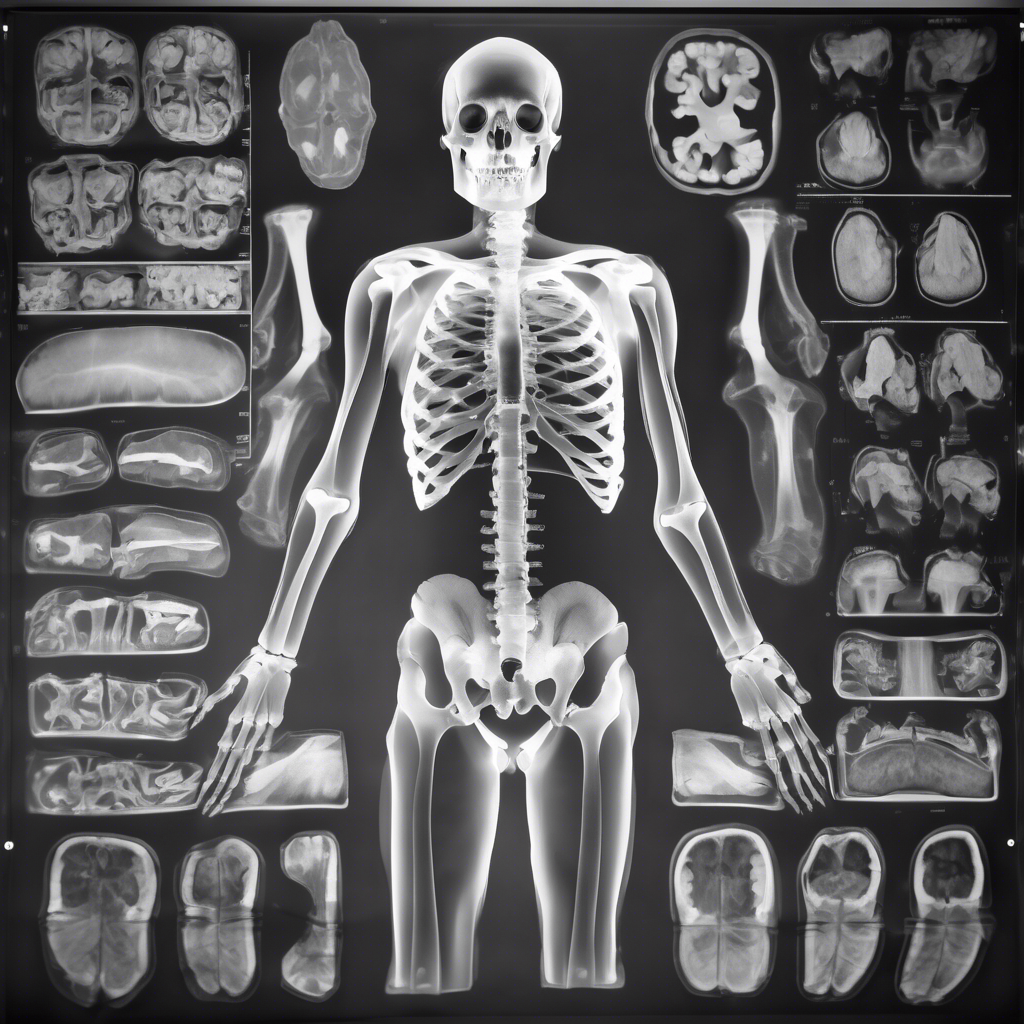
    Medical imaging stands at the forefront of modern healthcare diagnostics, enabling doctors to peer inside the human body without making a single incision. Among the many imaging techniques available today, X-rays and CT scans (Computed Tomography) are two of the most frequently used tools. Both play crucial roles in helping healthcare professionals diagnose and monitor a variety of conditions, but they operate in remarkably different ways and serve unique purposes. For anyone navigating healthcare decisions—whether you're a patient, caregiver, or medical enthusiast—it’s invaluable to grasp the distinctions between these modalities. Understanding how X-rays and CT scans differ will help you appreciate their uses, benefits, and potential risks, ultimately enabling more informed discussions with your healthcare team.

    X-rays harness the power of high-energy electromagnetic radiation to create images of the inside of the body, particularly excelling at showing dense tissues like bones. When you undergo an X-ray exam, a small amount of radiation penetrates your body, while an external detector captures the pattern of rays absorbed by different tissues, forming a two-dimensional image. This imaging method has been around for over a century—credit goes to Wilhelm Conrad Roentgen, who discovered X-rays back in 1895, an event that revolutionized medicine almost overnight. Since then, X-rays have been widely used to diagnose broken bones, pinpoint infections, and detect certain kinds of cancers. Their speed, affordability, and simplicity make them a favorite first step in many diagnostic processes. Fun fact: the iconic “bones” images seen in many Halloween decorations actually stem from the eerie, ghostly shadows cast by early X-ray images!

    In contrast, CT scans take medical imaging a giant leap forward by amalgamating multiple X-ray images captured from several angles around the body, which are then processed by sophisticated computers to generate detailed cross-sectional and three-dimensional images. This technology, sometimes called a CAT scan, permits doctors to look at bones, muscles, fat, and organs with greater clarity and depth. CT scanners rotate around the patient, capturing numerous slices or “sections” that reveal intricate internal pictures, helping detect complex fractures, tumors, infections, and vascular diseases that would be challenging to diagnose with regular X-rays. While a CT scan takes longer and is generally more expensive than a standard X-ray, the level of detail it provides is often indispensable for a comprehensive diagnosis and treatment planning. Interestingly, the first full-body CT scan was performed in the early 1970s, and this breakthrough was recognized by the Nobel Prize in Physiology or Medicine awarded to Godfrey Hounsfield and Allan Cormack in 1979.

    One of the key considerations when comparing X-rays and CT scans is radiation exposure. Both utilize ionizing radiation, which, while powerful for imaging, carries inherent health risks, particularly with repeated or high-dose exposure. Standard X-rays involve a relatively low dose of radiation and are generally considered safe for routine use. However, CT scans expose patients to significantly higher doses due to the multiple X-ray images required to construct detailed views from various angles. This difference means that CT scans are generally reserved for situations where the detailed visualization is crucial in diagnosis and treatment decisions, outweighing the slightly increased risk. Modern CT machines, though, are evolving swiftly; many incorporate dose-reduction technologies designed to minimize radiation exposure without compromising image quality. In the broader landscape, alternative imaging modalities such as MRI and ultrasound—which don’t involve ionizing radiation—are recommended whenever appropriate, offering safer long-term options for patients.

    Technological advancements in medical imaging continue to push boundaries, marrying enhanced diagnostic clarity with patient safety. Cutting-edge CT scanners now employ iterative reconstruction algorithms and optimized scanning protocols that reduce radiation doses dramatically compared to early machines. Additionally, hybrid imaging techniques are emerging, combining modalities like PET-CT or PET-MRI that synergize the strengths of multiple methods to improve diagnoses, especially in oncology and neurology. Beyond the machines themselves, innovations like OncoPreventer highlight the power of integrating medical imaging with personalized health management tools. OncoPreventer offers tailored cancer screening plans, timely alerts for check-ups, and evidence-based guidance, empowering individuals to participate actively in preventing and detecting cancer early. Such proactive approaches complement the diagnostic prowess of medical imaging, illustrating how technology and personalized medicine herald a new era in healthcare.

    In conclusion, while X-rays and CT scans both play indispensable roles in medical diagnostics, their applications, advantages, and limitations differ considerably. X-rays are best suited for quick assessments of bone injuries and some lung conditions, offering a low-cost, rapid diagnostic tool. CT scans provide a more detailed and three-dimensional insight, indispensable for investigating complex fractures, tumors, infections, and vascular abnormalities. Awareness of their differences, especially related to radiation exposure and diagnostic capabilities, equips patients and healthcare providers to select the most appropriate imaging strategy for each clinical scenario. Coupling these diagnostic tools with forward-thinking health management solutions like OncoPreventer promises a future where early detection, effective treatment, and patient empowerment walk hand in hand towards better health outcomes.

    #MedicalImaging #XrayVsCT #HealthTech #Radiology #OncoPreventer #HealthcareInnovation #EarlyDetection

  • x-ray or CT scan

    In the ever-evolving landscape of medical diagnostics, imaging technologies like X-rays and CT scans serve as vital pillars in the detection and management of numerous health conditions, particularly cancer. These tools offer remarkable glimpses into the body's internal workings, though their approaches and capabilities vary significantly. X-rays, with their long-standing history since their discovery in 1895 by Wilhelm Röntgen, are renowned for their ability to quickly produce two-dimensional images of bones and certain soft tissues using electromagnetic radiation. This affordability and accessibility make X-rays a go-to diagnostic choice worldwide, especially in emergency settings where time is critical. Interestingly, despite the simplicity of the images, X-rays have played pivotal roles beyond just bone fractures; for example, chest X-rays are commonly employed in detecting lung diseases such as pneumonia or tuberculosis. Yet, their resolution and scope are limited, particularly when it comes to soft tissues and detailed internal structures.

    CT scans, short for Computed Tomography, revolutionize medical imaging by assembling multiple X-ray images taken at various angles to create intricate cross-sectional and three-dimensional visuals of the body. Invented in the early 1970s by Sir Godfrey Hounsfield and Allan Cormack—a development that won them the Nobel Prize—CT scanning has since become an indispensable diagnostic powerhouse. Unlike traditional X-rays, CT scans provide a detailed look inside organs, blood vessels, and bones with exceptional clarity, enabling doctors to identify tumors, inflammation, vascular diseases, and other abnormalities with greater precision. However, this comes with trade-offs: CT scans expose patients to higher doses of radiation and tend to be costlier and less accessible compared to X-rays. Despite these factors, their role in cancer staging, trauma assessment, and guiding biopsies or surgeries is unmatched. An intriguing fact is that the term “slice” is often used to describe the cross-sections created by CT scans, akin to slicing a loaf of bread, offering a layered insight into bodily structures.

    When it comes to cancer detection, both X-rays and CT scans are invaluable but serve complementary functions. X-rays can effectively reveal anomalies such as lung nodules, which, although not definitive for cancer on their own, serve as crucial indicators necessitating further investigation. In contrast, CT scans excel in detecting tumors early and monitoring cancer progression or response to treatment through their detailed, cross-sectional imagery. Early detection facilitated by these imaging technologies can dramatically improve treatment success rates and patient prognoses. This underscores why consistent and timely screenings are vital, especially for individuals with higher cancer risk factors. However, determining the appropriate type and timing of imaging often depends on personal health profiles—a challenge effectively addressed by advances in artificial intelligence.

    Enter OncoPreventer, a cutting-edge AI-driven health assistant transforming cancer prevention strategies by tailoring screening routines according to each individual's unique risk factors. Unlike traditional one-size-fits-all screening guidelines, OncoPreventer considers a variety of elements including age, gender, family history, and lifestyle to recommend the most suitable imaging tests—be it X-rays, CT scans, or other diagnostic exams—at optimal intervals. The app’s smart reminders ensure users stay on track with their screenings and lab tests, mitigating the risk of missed check-ups that can delay diagnosis. What elevates OncoPreventer beyond a mere scheduling tool is its ability to demystify complex medical jargon, offering clear health information and trustworthy answers that empower users to make informed decisions. Moreover, with interactive timelines and health summaries, users not only track their progress but also gain motivation to maintain proactive health behaviors. Its seamless compatibility with platforms such as web browsers, Telegram, and WhatsApp enhances user convenience, embodying the future of personalized, accessible healthcare management.

    Bringing together the proven strengths of X-ray and CT scan imaging with the intelligent customization offered by AI-powered platforms like OncoPreventer marks a landmark moment in personalized medicine. This integration leverages technology not just to detect cancer earlier and more accurately, but to actively involve individuals in their health journeys with clearer insights and greater confidence. By adopting both the diagnostic power of advanced imaging and the sophisticated personalization of AI assistants, people are better equipped to navigate cancer prevention proactively, potentially saving lives through timely intervention. For anyone committed to maintaining robust long-term health, embracing these innovations provides a compelling, smart strategy to stay ahead in the fight against cancer.

    #MedicalImaging #CancerDetection #AIinHealthcare #OncoPreventer #HealthTech #EarlyDetection #PersonalizedMedicine

  • PSA test explained

    Prostate health is a critical aspect of men's well-being, and one of the cornerstone tools for monitoring this vital organ is the prostate-specific antigen (PSA) test. This blood test measures the levels of PSA, a protein produced by the prostate gland, which can indicate the presence of prostate cancer or other non-cancerous conditions such as prostatitis or benign prostatic hyperplasia. The PSA test has revolutionized the early detection of prostate cancer, a disease that often goes unnoticed in its initial stages due to the lack of symptoms. By identifying elevated PSA levels, healthcare providers can intervene sooner, dramatically improving treatment success rates and patient outcomes. Yet, while the PSA test holds immense value, it is not without its complexities—false positives and overdiagnosis have sparked debates about its use, emphasizing the need for a balanced and informed approach to screening.

    Diving deeper into the nuanced world of PSA testing reveals an intriguing balance between its life-saving potential and the caution required in interpreting results. Factors such as age, family history, ethnicity, and lifestyle choices play substantial roles in influencing PSA levels and the overall risk of prostate cancer. For instance, men of African descent may have inherently higher risks, making personalized assessments even more crucial. Moreover, benign conditions can elevate PSA, leading sometimes to unnecessary biopsies that carry their own risks and anxieties. This delicate interplay makes it clear that PSA testing is most effective when combined with clinical judgment and, if needed, further diagnostic procedures like MRI scans or biopsies. Understanding these subtleties allows men to navigate their health decisions with confidence and clarity, rather than fear or confusion.

    Amid these complexities, innovative technology is reshaping how men approach prostate health and cancer prevention, with solutions like OncoPreventer leading the way. OncoPreventer is an AI-powered health assistant designed to demystify cancer screening and provide personalized care tailored to each individual. By integrating cutting-edge artificial intelligence with expert medical knowledge, OncoPreventer offers smart features such as customized screening schedules, timely reminders for tests, and accessible, jargon-free explanations of health results. Users can track their progress through interactive timelines and easily access this support across various platforms, including popular messaging apps like Telegram and WhatsApp. What sets OncoPreventer apart is its ability to blend technology and human expertise, transforming the daunting task of cancer prevention into a manageable, stress-free journey that adapts to each person's unique health profile.

    The synergy between traditional screening tools like the PSA test and innovative digital health assistants exemplifies the future of personalized medicine. By leveraging AI’s data-processing capabilities alongside individual risk factors and preferences, men gain a comprehensive approach to prostate cancer prevention. This integrated model maximizes the benefits of early detection while minimizing unnecessary interventions and anxiety. It also empowers users by translating complex medical information into clear, actionable insights. For example, OncoPreventer can alert a man when it’s time to schedule his next PSA test based on his age and family history, ensuring screenings are timely and relevant. Such advancements underscore how technology can foster a proactive, rather than reactive, stance on health—encouraging men to take charge of their well-being with informed confidence.

    In conclusion, the PSA test remains a vital instrument in the fight against prostate cancer, offering early detection that saves lives. However, its effectiveness is significantly amplified when combined with innovative tools like OncoPreventer, which personalize and streamline the health management experience. By embracing this dual approach, men can navigate prostate cancer screening with reduced stress and enhanced clarity, making proactive, well-informed decisions about their health. This marriage of medical science and AI-powered guidance represents a promising frontier in cancer prevention, one that prioritizes personalized care and lifelong wellness. Stay ahead of prostate health concerns and embrace a future where technology and healthcare seamlessly unite to support you every step of the way.

    #ProstateHealth #PSATest #CancerPrevention #OncoPreventer #MensHealth #AIInHealthcare #EarlyDetection

  • Cancer Drug PRs May Mislead Clinicians and Patients

    In oncology, positive outcomes from industry-sponsored clinical trials on solid tumors are frequently first announced via press releases (PRs) — often with limited detail — well in advance of peer-reviewed publication or regulatory approval.

    This observation is part of a broader analysis conducted by an Italian research team led by Francesco Perrone, MD, PhD, current president of the Italian Association of Medical Oncology, and Massimo Di Maio, MD, PhD, the association’s president-elect. The study was published in Journal of Cancer Policy.

    “Data communication often occurs through a PR to inform quickly and effectively a large number of readers through mass communication channels,” the authors wrote in the introduction.

    Anna Amela Valsecchi, MD, study’s lead author and a researcher at the Department of Oncology, University of Turin in Turin, Italy, told Univadis Italy, a Medscape Network platform, that the team aimed to provide an updated, comprehensive snapshot of how these PRs are structured — specifically how often they report numerical data and how quickly they are followed by peer-reviewed publications or regulatory decisions.

    Emphasis Over Evidence

    The researchers analyzed 157 PRs related to clinical trials on solid tumors published between 2018 and 2022 by the top 20 pharmaceutical companies active in oncology. They found that 75.5% of the PRs claimed achievement of the trial’s primary endpoint. However, only 13% included specific quantitative results; most used vague or generalized language.

    Despite the lack of detail, 86% of the releases asserted the clinical relevance of the findings. Yet, the median time from PR to conference presentation was 3.1 months, and to peer-reviewed publication, 8 months. Regulatory approvals followed even later: A median of 10 months after the PR for the US Food and Drug Administration, and 15.9 months for the European Medicines Agency.

    Minimal Market Impact

    The study also examined the market response to these PRs and found that their impact on stock performance was minimal or negligible. Valsecchi noted that this market caution could reflect the absence of concrete data or the understanding that information in PRs is often preliminary and not conclusive.

    This portion of the analysis was conducted in collaboration with researchers from the Center for Research on Health and Social Care Management at Bocconi University in Milan, Italy.

    Risks of Partial Communication

    The findings of the Italian analysis highlight an important concern: The structure and content of pharmaceutical PRs can have meaningful effects on a broad audience, including physicians, patients, and caregivers.

    “The absence of complete and detailed data makes it difficult for physicians to properly assess the clinical relevance and statistical significance of the reported outcomes,” said Valsecchi. “For patients, this can foster unrealistic expectations, and in some cases, lead to mistrust in the doctor-patient relationship when the information in the PR does not align with the physician’s clinical judgment or prescribed course of action.”

    Valsecchi acknowledged the challenge of communicating complex medical findings to an audience that includes both healthcare professionals and the general public.

    She also emphasized a broader issue: The lack of standardized guidelines for structuring PRs. This allows companies to highlight preliminary or incomplete results in ways that may unduly influence both the scientific community and patients. “Guidelines developed by a multidisciplinary working group could help ensure that PRs prioritize scientific rigor and patient protection, rather than being overly promotional,” she concluded.

  • Yale Cancer Center Experts set to Present Advances in Cancer Research at the World’s Largest Clinical Oncology Conference | Newswise

    The Yale Cancer Center (YCC) is gearing up to make a significant impact at the upcoming 2025 American Society of Clinical Oncology (ASCO) Annual Meeting, scheduled to take place in the vibrant city of Chicago from May 30 through June 3. This renowned conference is the largest gathering of oncology professionals worldwide, attracting researchers, clinicians, and experts who are dedicated to accelerating cancer research and improving patient outcomes. Excitement brews as over 40 physicians and scientists from YCC prepare to present a wealth of groundbreaking research, spanning a variety of cancer types, including breast, lung, prostate, head and neck, and metastatic cancers. The breadth of expertise and enthusiasm from Yale is a testament to the center’s commitment to pioneering advances in cancer therapeutics and clinical care.

    ASCO 2025 promises a comprehensive exploration of the latest developments in oncology through more than 200 oral, poster, and educational sessions meticulously designed around the theme, “Driving Knowledge to Action: Building a Better Future.” This theme encapsulates the dynamic progress being made as knowledge gleaned from cutting-edge research translates into actionable strategies for better diagnosis, treatment, and patient support. One of the highlights from Yale includes Dr. Ian Krop, Director of YCC’s clinical trials office and Chief Clinical Research Officer, who will be honored with the Gianna Bonadonna Breast Cancer Award during a special ASCO session on May 31. This prestigious award acknowledges Dr. Krop’s outstanding contributions to breast cancer research, reflecting Yale's ongoing legacy in transforming cancer care.

    Among the many compelling presentations is Dr. Pat LoRusso’s dose optimization study of PF-07248144, a first-in-class KAT6 inhibitor. This early-phase clinical trial in patients with ER+/HER2− metastatic breast cancer has yielded promising results, supporting the recommended dose for advancing to phase 3 studies. KAT6 inhibitors act on epigenetic regulators, a frontier in cancer therapy that seeks to modify gene expression patterns to tamper tumor growth. Intriguingly, while breast cancer is often perceived as a singular disease, it's actually a spectrum, with subtypes responding differently to tailored treatments. Such precision medicine approaches are at the heart of many presentations from Yale’s researchers this year, who are also sharing data on circulating tumor DNA (ctDNA) monitoring—a cutting-edge liquid biopsy technique for non-invasive real-time cancer tracking. Dr. Lajos Pusztai’s work on ctDNA monitoring during adjuvant endocrine therapy is poised to refine prognostic assessments and guide personalized treatment adjustments.

    Further advancing the conversation, Yale researchers will delve into new angles such as the role of the gut-associated immune checkpoint in metastatic renal cell carcinoma, the innovative combination of hematopoietic progenitor kinase 1 (HPK1) inhibitors with immunotherapy in kidney cancer, and novel oral regimens for acute myeloid leukemia patients ineligible for intensive chemotherapy. Notably, each study encapsulates a shift from conventional “one-size-fits-all” models toward more nuanced, biology-driven interventions. An intriguing fact here is the expanding role of immunotherapy in traditionally hard-to-treat cancers; these therapies leverage the body's own immune system to combat cancer cells, akin to training a personal army for battle. Meanwhile, the use of single-cell RNA sequencing presented by Dr. Curtis Perry illuminates tumor heterogeneity, an essential insight as researchers realize that tumors are not monolithic but rather a complex ecosystem with diverse cell populations.

    Yale’s robust portfolio at ASCO 2025 portrays a vibrant snapshot of the future of cancer treatment—one that blends molecular biology, clinical innovation, and patient-centric research. With expert presentations, award recognitions, and an unwavering commitment to translating research into practice, Yale Cancer Center is at the forefront of driving oncology towards a more effective, personalized, and hopeful future. For those passionate about the breakthroughs shaping cancer care, the upcoming ASCO meeting is a beacon of knowledge and inspiration, where the dedication of researchers and clinicians alike is transforming the landscape of oncology, one discovery at a time.

    #YaleCancerCenter #ASCO2025 #CancerResearch #PrecisionMedicine #OncologyInnovation #BreastCancer #Immunotherapy

  • Oncology Express Unit and Primary Care

    ChristianaCare is one of the country’s most dynamic health care organizations, centered on improving health outcomes, making high-quality care more accessible and lowering health care costs.

    ChristianaCare is a private not-for-profit regional health care system (tax exempt under Section 501 (c)(3) of the Internal Revenue Code – ID Number 51-0103684) and relies in part on the generosity of individuals, foundations and corporations to fulfill its mission. To learn more about how you can support our mission, please visit christianacare.org/make-a-gift.