Category: Uncategorized

  • Nirmala Bhoo Pathy: The Cost Impact of Second Opinions in Oncology

    A retrospective review published in JCO Oncology Practice examined the cost impact of second opinions in oncology. The study found that subspecialist second opinions often lead to a de-escalation of care intensity, resulting in safer and less aggressive treatments, such as avoiding major surgery or changing drug regimens, while maintaining similar patient outcomes.

    Financially, this approach led to significant cost savings, with an average reduction of $15,015 per patient across the study cohort. The findings highlight the value of second opinions in oncology, both in improving patient care and reducing healthcare expenditures.

    The study, titled “What Is the Cost Impact of Second Opinions in Oncology? A Retrospective Review,” was conducted by Benjamin R. Roman, Allison Lipitz-Snyderman, Susan Chimonas, Brendan Raftery, Cole Manship, Arushi Mahajan, Leonard Saltz, Aaron Mitchell, David Miller, Smita Sihag, Daniel Gomez, Bobby Daly, and Lauren Klein Levine.

  • Three New Cancer Projects Receive Funding in Joint Collaboration Between Oden Institute, MD Anderson’s IDSO and TACC

    The University of Texas MD Anderson Cancer Center, the Oden Institute for Computational Engineering and Sciences, and the Texas Advanced Computing Center (TACC) at The University of Texas at Austin have announced funding for three cancer research projects under the Joint Center for Computational Oncology (JCCO).

    This collaboration advances oncology breakthroughs by combining the Oden Institute’s computational science expertise, MD Anderson’s leadership in clinical oncology and data science, and TACC’s high-performance computing resources.

    Since its launch in 2020, JCCO has funded 25 projects. Each new project receives $60,000 in seed funding, split evenly between UT Austin and MD Anderson researchers, along with 12,500 core hours on TACC systems to support large-scale computation.

    Tom Yankeelov, director of the Oden Institute’s Center for Computational Oncology, and John Hazle, Ph.D., chair of Imaging Physics at MD Anderson, co-lead the initiative.

    “Our pilot project program has two main goals: connecting clinicians with computational scientists to address critical cancer challenges and translating those efforts into clinical applications,” Yankeelov said. “This year’s three selected projects reflect both aims, focusing on new disease settings with practical solutions suitable for clinical use.”

    Hazle added, “Collaborations between UT Austin, MD Anderson, and TACC are essential for advancing cancer research. Each project demonstrates the interdisciplinary approach needed to convert computational innovations into tangible patient benefits. These seed funds enable teams to develop and secure further funding to bring innovations to the clinic.”

    The 2025–2026 funded research projects are:

    Computational Imaging-Based Forecasting of Growth, Dissemination, and Treatment Response in High-Risk Metastatic Prostate Cancer

    Led by Thomas J.R. Hughes, Ph.D., professor of aerospace engineering & engineering mechanics and lead of the Computational Mechanics Group at the Oden Institute, and Aradhana Venkatesan, M.D., professor of Abdominal Imaging at MD Anderson, this project aims to develop a computational pipeline to forecast the progression of high-risk metastatic prostate cancer. By integrating imaging with advanced modeling, the project seeks to predict tumor growth and treatment response to guide clinical decision-making.

    Biophysical Modeling of Head & Neck Cancer for Dose Adaptive Radiotherapy

    Principal investigators Clifton Fuller, M.D., Ph.D., professor of Radiation Oncology at MD Anderson, and David Hormuth, Ph.D., research scientist in the Center for Computational Oncology at the Oden Institute, will generate a validated, perfusion and cellularity-informed dynamic digital twin of radiation response. This approach aims to accelerate the translation of quantitative imaging and digital twin modeling into patient-specific radiation planning, potentially impacting standard care for head and neck cancer treatment.

    Lesion Image Forecasting for Early Detection in Liver Cancer

    Building on prior JCCO-funded work, George Biros, Ph.D., professor of mechanical engineering and lead of the Parallel Algorithms for Data Analysis and Simulation Group at the Oden Institute, and Suprateek Kundu, Ph.D., associate professor of Biostatistics at MD Anderson, are developing computational models to predict liver tumor growth and spread. This project will generate essential preliminary results to inform physics-based modeling that incorporates mechanistic biological insights. The flexible, interpretable framework applies broadly across cancers, including liver, prostate, and brain, and can be adapted to predict treatment response and clinical outcomes for future studies involving digital twins.

  • FCS’ Gordan Leads Study That Shows Community Oncology Practices Limit Financial Toxicity

    Independent community oncology practices significantly reduce the financial burden experienced by cancer patients compared to hospital outpatient settings, according to a study published in the American Journal of Public Health.

    The study was led by Lucio Gordan, MD, president and managing physician of Florida Cancer Specialists and Research Institute (FCS), with several coauthors in leadership roles at FCS.

    Financial toxicity, a term coined around 2013 with the rise of immunotherapy, refers to the economic burden of cancer care on patients and their families, affecting their overall wellbeing.

    The research, titled “The Role of Utilizing Community Oncology Care To Decrease Cancer-Related Financial Toxicity,” analyzed real-world claims data and found significant cost differences. These differences stem from lower drug markups, reduced facility fees, and more efficient care delivery in independent community oncology settings.

    Patients treated in community oncology clinics had a mean monthly care cost 24% lower than those treated in hospital outpatient settings—$12,548 compared to $16,555.

    When comparing branded chemotherapy costs, community oncology was 39% less expensive on average, costing $6,674 versus $10,900 in hospital-based clinics.

    “These findings reinforce what many of us in community oncology have long observed,” Gordan said in a statement released by the Community Oncology Alliance (COA), which represents independent community practices. He added that patients benefit not only from personalized care close to home but also from significantly reduced financial strain during a critical time.

    The study emphasizes the impact of drug markups and facility fees on patients’ total costs, both substantially higher in hospital-based oncology departments. Because of the structure of many health plans, including Medicare, drug markups directly affect patient out-of-pocket expenses. Notably, the $2,000 out-of-pocket cap applies only to Medicare Part D and does not cover infused drugs paid through medical benefits.

    Ted Okon, executive director of COA, stated, “This new data reaffirms what COA has championed for years—that community oncology is the backbone of cancer care in this country, delivering better value and outcomes for patients. As policymakers and stakeholders address the rise in cancer care costs, it is essential to support and strengthen the independent community oncology system.”

  • Citius Oncology Announces U.S. Commercial Launch of LYMPHIR™, a Novel Cancer Immunotherapy for Cutaneous T-Cell Lymphoma (CTCL)

    Citius Oncology, Inc., a subsidiary of Citius Pharmaceuticals, has announced the nationwide commercial launch of LYMPHIR™ (denileukin diftitox-cxdl), a novel IL-2 receptor-directed fusion protein approved by the FDA for treating adult patients with relapsed or refractory Stage I–III cutaneous T-cell lymphoma (CTCL) after at least one prior systemic therapy.

    LYMPHIR offers a potential new treatment option for patients suffering from CTCL, a disease known for severe itching and skin lesions. In clinical trials, LYMPHIR demonstrated a median time to response of 1.4 months and showed an objective response rate of 36.2%, with 84% of evaluable patients experiencing reduced skin tumor burden. The drug also showed meaningful activity in alleviating severe pruritus, a significant quality of life concern for CTCL patients. Importantly, it was not associated with cumulative toxicity.

    This approval marks the first FDA-approved systemic therapy for CTCL in more than seven years. LYMPHIR’s mechanism involves targeting IL-2 receptors on tumor cells, delivering diphtheria toxin fragments that inhibit protein synthesis to induce cancer cell death. Additionally, it depletes immunosuppressive regulatory T lymphocytes, offering direct tumoricidal effects without cumulative toxicity.

    LYMPHIR is now available across the United States through specialty distributors. Healthcare providers can access treatment resources and prescribing information at www.lymphirhcp.com. The product has a permanent J-code (J9161) to assist reimbursement and streamline claims processing. Support programs include medical education, payer access initiatives, and patient assistance to reduce out-of-pocket costs.

    Internationally, Citius Oncology holds exclusive rights to develop and commercialize LYMPHIR, except in India, Japan, and parts of Asia. A recent agreement with Integris Pharma S.A. facilitates named-patient access in Southern European and Balkan countries, supporting global patient access.

    Cutaneous T-cell lymphoma is the most common form of cutaneous lymphoma, characterized by cancerous T-cells forming skin lesions that impair patient quality of life due to pain and pruritus. CTCL predominantly affects men in their 50s and 60s and often progresses slowly but can become aggressive at advanced stages. Currently, no curative therapy exists beyond allogeneic stem cell transplantation, which is suitable for only a small subset of patients.

    LYMPHIR carries important safety warnings, including a boxed warning for capillary leak syndrome (CLS), which can be life-threatening. CLS occurred in 27% of patients in clinical trials, with symptoms such as edema, hypotension, and hypoalbuminemia. LYMPHIR can also cause serious visual impairment, infusion-related reactions, and hepatotoxicity. Patients require close monitoring throughout treatment, and therapy should be withheld or discontinued depending on the severity of adverse events.

    LYMPHIR can cause fetal harm and is not recommended during pregnancy or breastfeeding. Females of reproductive potential should use effective contraception during treatment and for seven days after the last dose. Male fertility may be compromised based on animal studies.

    Most common adverse reactions observed include elevated liver enzymes, decreased albumin, nausea, edema, anemia, fatigue, musculoskeletal pain, rash, chills, constipation, fever, and capillary leak syndrome.

    Citius Oncology continues to enhance its product offerings and support programs, aiming to broaden the availability and acceptance of LYMPHIR in the growing CTCL market, estimated to exceed $400 million in the U.S. The company also pursues intellectual property protections and potential expanded indications to strengthen its competitive position.

    For more information, healthcare providers and patients may visit www.lymphirhcp.com, and further company details can be found at www.citiusonc.com and www.citiuspharma.com.

    Reported side effects can be submitted to the FDA or directly to Citius Oncology.

    Important safety information and full prescribing details, including boxed warnings, are accessible on the LYMPHIR website.

    This announcement contains forward-looking statements subject to risks and uncertainties detailed in Citius Oncology’s SEC filings. Past performance does not guarantee future results.

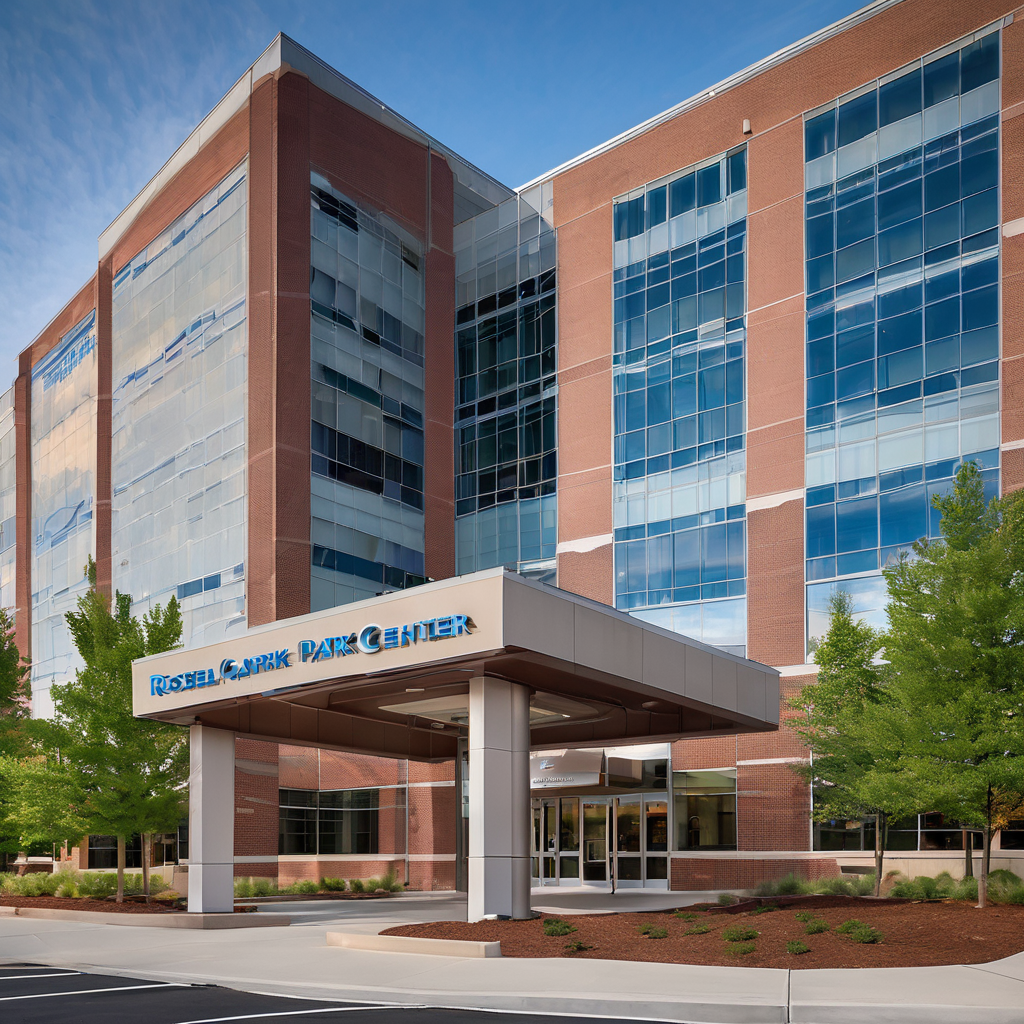
  • Maha Zafar: Honored to Begin my Hematology/Oncology Journey at the Roswell Park Cancer Center

    Maha Zafar, a Fellow at Roswell Park Comprehensive Cancer Center, announced on X that she has matched at her first-choice program. She expressed her honor to begin her Hematology/Oncology journey at the NCI-designated Roswell Park Cancer Center. Zafar conveyed her gratitude, humility, and readiness to grow in her new role.

  • Lurbinectedin Contributes to Maintenance of Response in ES-SCLC

    The addition of immunotherapy to frontline platinum-based chemotherapy represents a major advance in treating extensive-stage small cell lung cancer (ES-SCLC). Maintaining longer responses while preserving quality of life remains a critical goal. At a recent Community Case Forum in Saddle Brook, New Jersey, Joshua K. Sabari, MD, assistant professor at NYU Grossman School of Medicine, discussed the phase 3 IMforte trial (NCT05091567), which evaluated maintenance therapy with lurbinectedin (Zepzelca) plus atezolizumab (Tecentriq).

    The IMforte trial enrolled 660 patients with ES-SCLC who had no prior systemic therapy, no CNS metastases, and good performance status. All patients received four cycles of induction therapy with atezolizumab combined with carboplatin and etoposide. After this induction phase, 483 patients who achieved complete response, partial response, or stable disease were randomly assigned to the maintenance phase. Patients with disease progression or worsened performance status were excluded from randomization. During maintenance, patients received either lurbinectedin plus atezolizumab or atezolizumab alone, continued until disease progression without crossover.

    Baseline characteristics were well balanced between treatment arms. Approximately 50% of patients receiving lurbinectedin plus atezolizumab were younger than 65, compared to 37% in the atezolizumab-only group. Around 40% of patients in both arms had liver metastases, indicating a high disease burden. Other factors, including ECOG performance status and lactate dehydrogenase levels, were also balanced. Response rates following induction were similar, with 87% in the combination arm and 88% in the atezolizumab arm achieving either complete or partial responses.

    The trial met its primary endpoints of progression-free survival (PFS) and overall survival (OS). Median PFS from randomization was 5.4 months for patients receiving lurbinectedin plus atezolizumab, compared to 2.1 months with atezolizumab alone, representing a 46% reduction in the risk of progression or death (HR 0.54; 95% CI, 0.43-0.67; P < .0001). When including the induction phase, the total median PFS reached approximately 8.4 months. The PFS benefit was evident early and sustained beyond 12 months, with 20.5% of patients progression-free at 12 months on combination therapy versus 12% with atezolizumab alone.

    Overall survival was also improved, with a median OS of 13.2 months for the combination maintenance group versus 10.6 months for atezolizumab alone, translating to a 27% reduction in mortality risk (HR 0.73; 95% CI, 0.57-0.95; P = .0174). Adding the induction therapy duration, median survival reached 16.4 months, an encouraging result in this patient population. Survival curves demonstrated a clear divergence at 12 months, with 56% of patients alive on combination treatment compared to 44% on atezolizumab alone, suggesting a sustained benefit for some patients.

    The data indicate that maintenance therapy with lurbinectedin plus atezolizumab deepens and prolongs response following initial chemoimmunotherapy, offering improved durability for patients with ES-SCLC. This approach holds promise for enhancing long-term outcomes in a disease historically associated with poor survival.

    Reference:
    Paz-Ares L, Borghaei H, Liu SV, et al. Efficacy and safety of first-line maintenance therapy with lurbinectedin plus atezolizumab in extensive-stage small-cell lung cancer (IMforte): a randomised, multicentre, open-label, phase 3 trial. Lancet. 2025;405(10495):2129-2143. doi:10.1016/S0140-6736(25)01011-6

  • APPOS Boston 2026: Advanced Practice Providers Oncology Summit

    OncoDaily™ © 2023 – 2025. All rights reserved. Unauthorized reproduction, distribution, or transmission of any content on OncoDaily.com is strictly prohibited. For permission requests or inquiries, please contact OncoDaily directly. By accessing and using OncoDaily.com, users acknowledge and agree to comply with this copyright notice as well as the Privacy Policy, Editorial Policy, Cookie Policy, and Disclaimer. Continued use of the website constitutes acceptance of all terms and policies.

  • ESMO 2025 in review: A new era in oncology, from AI to next-gen therapeutics

    The European Society for Medical Oncology (ESMO) Annual Congress 2025, held in Berlin, highlighted significant advancements in oncology, emphasizing the integration of technology and biology. Key themes included the use of artificial intelligence (AI) in clinical workflows, expansion of targeted therapies to earlier disease stages, and innovations in immuno-oncology beyond checkpoint inhibitors.

    Artificial intelligence has progressed from a conceptual tool to practical application in oncology. Sessions demonstrated how AI-based imaging biomarkers are transforming radiology and pathology, with platforms like Google’s Med-Gemini and Alpaca showing high accuracy in whole-slide imaging. Spatial models such as SMMILe enable detailed interpretation of tumor microenvironments. However, challenges remain in digitizing pathology labs, with only about 5% of Swiss labs fully digital, reflecting broader European trends. Upgrading infrastructure involves significant costs, estimated at €5 million per site. Emerging AI agents aim to integrate imaging, genomics, and clinical data into unified decision-making tools. The CREATE study, conducted by Qure.ai and AstraZeneca, showcased an AI-driven chest X-ray tool identifying 96% of lung cancer cases, including early-stage disease in non-smokers, signaling AI’s potential to democratize precision oncology.

    Antibody–drug conjugates (ADCs) continue to revolutionize cancer treatment, moving from metastatic settings into early disease. AstraZeneca’s DESTINY-Breast05 and DESTINY-Breast11 trials demonstrated that trastuzumab deruxtecan (T-DXd) achieved pathologic complete response rates near 67% in high-risk HER2-positive early breast cancer and showed superior invasive disease-free survival compared to trastuzumab emtansine (T-DM1). Safety concerns include interstitial lung disease occurring in about 9.6% of patients, mostly mild and reversible, with low cardiac toxicity. Debates continue on optimal sequencing, with a general preference for post-operative administration following neoadjuvant therapy. ADCs are also reshaping bladder cancer treatment, as evidenced by KEYNOTE-905 results showing significant benefits of perioperative enfortumab vedotin combined with pembrolizumab in cisplatin-ineligible muscle-invasive disease, marking a shift toward curative intent.

    Immunotherapy is evolving beyond PD-1 checkpoint inhibition, addressing resistance through novel approaches. Arenavirus-based immunotherapy ABX-001 from Abalos Therapeutics activates systemic immunity and is entering first-in-human trials after promising preclinical complete remissions. CatalYm’s visugromab, a GDF-15 blocker, restored PD-1 inhibitor sensitivity in refractory tumors, delivering durable responses over 32 months in non-small cell lung and urothelial cancers, while also mitigating cancer cachexia. Simcha Therapeutics introduced ST-067, a decoy-resistant IL-18, enhancing bispecific T-cell engager efficacy. Oncolytic virus therapy combining BT-001 with pembrolizumab demonstrated tumor shrinkage in injected and distant lesions, reinforcing the potential of multifunctional viral platforms. The future of immunotherapy will focus on combination strategies and novel immune modulators to overcome resistance.

    Radioligand and alpha therapies also featured prominently. AdvanCell’s ADVC001, a PSMA-targeted Lead-212-based alpha therapy, showed encouraging safety and efficacy in metastatic prostate cancer, marking the first clinical validation of this approach. Novartis’ Pluvicto expanded into hormone-sensitive disease, reducing progression risk by 28% when added to standard treatment. These advances highlight the increasing role of targeted radiotherapy in earlier treatment lines, offering potent, localized cytotoxicity with manageable toxicities.

    Targeting cancer metabolism emerged as a promising therapeutic strategy. Faeth Therapeutics’ Phase 2 DICE trial in platinum-resistant ovarian cancer showed a 34% reduction in progression risk and 45% extension in progression-free survival when combining sapanisertib with paclitaxel. This multi-node inhibitor targets PI3K, mTORC1, and mTORC2, addressing metabolic plasticity associated with resistance. Metabolic targeting is poised to become a foundational pillar alongside immunotherapy and ADCs, especially in tumors linked to obesity and metabolic disorders.

    Precision oncology advanced with circulating tumor DNA (ctDNA) guiding treatment decisions. The DYNAMIC-III trial in stage III colon cancer and IMvigor011 in urothelial cancer validated ctDNA as a prognostic marker for minimal residual disease. Patients negative for ctDNA after surgery achieved favorable outcomes without intensive chemotherapy, reducing toxicity and healthcare costs. This approach signals a shift toward molecularly informed adjuvant therapy.

    Emerging targets at ESMO 2025 included KRAS G12D inhibition with Incyte’s INCB161734, showing overall response rates up to 34% in heavily pretreated pancreatic cancer. Bispecific antibodies like INCA33890, targeting TGFβR2 and PD-1, achieved responses in microsatellite stable colorectal cancer, traditionally resistant to immunotherapy. Next-generation ADCs from Tubulis demonstrated a 59% overall response rate in platinum-resistant ovarian cancer without biomarker selection, validating NaPi2b as a novel target.

    Pharmaceutical companies highlighted robust pipelines. AstraZeneca expanded its ADC portfolio with TROPION-Breast02 in triple-negative breast cancer and strengthened HER2 programs. Ipsen acquired ImCheck Therapeutics for €350 million, focusing on BTN3A-targeted immunotherapy in acute myeloid leukemia. Arcus reported a median overall survival of 26.7 months with domvanalimab plus zimberelimab in gastric cancer, supporting TIGIT as a next-generation checkpoint target. Merck, Exelixis, and others advanced ADCs, kinase inhibitors, and immuno-oncology combinations addressing critical needs.

    ESMO 2025 underscored three key imperatives for oncology’s future: integrating technology and biology through AI and multi-omics; diversifying therapeutic modalities beyond chemotherapy and checkpoint inhibitors to include ADCs, radioligands, metabolic inhibitors, and novel immune modulators; and scaling personalization through ctDNA-guided strategies and biomarker-driven trials to match treatment intensity with individual risk.

    As these innovations transition from research to clinical practice, challenges remain in implementation, ensuring access, affordability, and equity. The congress conveyed a clear message: the future of cancer care will be targeted, integrated, intelligent, and transformative.


  • FCS’ Gordan Leads Study That Shows Community Oncology Practices Limit Financial Toxicity

    A new study published in the American Journal of Public Health reveals that independent community oncology practices significantly reduce financial toxicity experienced by cancer patients compared to those treated in hospital outpatient settings.

    Led by Lucio Gordan, MD, president and managing physician of Florida Cancer Specialists and Research Institute (FCS), the study analyzed real-world claims data to compare costs associated with cancer care in different settings. Financial toxicity refers to the economic burden of cancer treatment on patients and their families that negatively impacts their wellbeing.

    The research found that the mean monthly cost of care in community oncology clinics was 24% lower than in hospital outpatient settings, with average costs of $12,548 versus $16,555 respectively. When focusing on branded chemotherapy, costs were 39% lower in community oncology at $6,674 compared to $10,900 in hospital-based clinics.

    The cost differences are largely driven by lower drug markups, reduced facility fees, and more efficient care delivery in independent community practices. These factors contribute to significantly lower out-of-pocket expenses for patients. The study also notes that many health plans, including Medicare, do not cap out-of-pocket costs for infused drugs, further emphasizing the financial impact of drug markups in hospital settings.

    “These findings reinforce what many of us in community oncology have long observed,” said Gordan. “Patients benefit not only from compassionate, personalized care close to home, but also from dramatically lower financial strain during one of the most difficult periods of their lives.”

    Ted Okon, executive director of the Community Oncology Alliance (COA), which represents independent community practices, stated, “This new data reaffirms what COA has championed for years—that community oncology is the backbone of cancer care in this country, delivering better value and outcomes for patients. As policymakers and stakeholders evaluate solutions to rising cancer costs, it is critical that we do everything we can to support and strengthen the independent community oncology system.”

  • FCS’ Gordan Leads Study That Shows Community Oncology Practices Limit Financial Toxicity

    Independent community oncology practices significantly reduce financial toxicity for cancer patients compared to hospital outpatient settings, according to a study published in the American Journal of Public Health. The study, led by Dr. Lucio Gordan, president and managing physician of Florida Cancer Specialists and Research Institute (FCS), analyzed real-world claims data to assess cost differences between care settings.

    Financial toxicity, a term coined around 2013 with the rise of immunotherapy, refers to the economic burden of cancer care on patients and their families that negatively impacts their wellbeing.

    The study, titled “The Role of Utilizing Community Oncology Care To Decrease Cancer-Related Financial Toxicity,” found that the mean monthly cost of care for patients treated in community oncology clinics was 24% lower than those treated in hospital outpatient settings—$12,548 versus $16,555. When focusing on branded chemotherapy, costs were 39% lower in community oncology, averaging $6,674 compared to $10,900 in hospital-based clinics.

    Dr. Gordan stated that these findings confirm observations in community oncology: patients benefit from compassionate, personalized care close to home while incurring significantly less financial strain during treatment.

    The research highlights the disproportionate impact of drug markups and facility fees on total care costs in hospital-based oncology departments. These higher charges directly affect patient out-of-pocket expenses due to health plan structures, including Medicare. Notably, Medicare’s $2,000 out-of-pocket cap applies only to Part D prescription drugs, not infused drugs covered under medical benefits.

    Ted Okon, executive director of the Community Oncology Alliance (COA), emphasized that the data supports COA’s long-standing position that community oncology forms the backbone of cancer care in the United States, delivering better value and outcomes. Okon urged policymakers and stakeholders to prioritize support for independent community oncology to address rising cancer care costs effectively.