Category: Uncategorized

  • Affordable Cancer Testing

    Cancer is a formidable adversary affecting millions globally, yet it holds a lesser-known secret: up to 80% of cancer cases can be prevented through early detection and informed lifestyle choices. This revelation has sparked a revolution in health management, where science and technology combine forces to empower individuals to take control of their well-being proactively. Among the pioneers leading this charge is OncoPreventer, a cutting-edge platform designed to transform how we understand and approach cancer prevention. By integrating genetic analysis with artificial intelligence (AI) and preventive oncology, OncoPreventer provides a personalized, affordable, and accessible solution, turning once daunting health challenges into manageable and preventable conditions.

    Personalized cancer risk assessment is at the heart of OncoPreventer’s innovative approach. Unlike traditional one-size-fits-all advice, this platform dives deep into your unique genetic code and lifestyle factors to paint a precise picture of your cancer susceptibility. The science behind this is both fascinating and robust: genetic mutations can influence the likelihood of developing specific types of cancer, and AI algorithms can analyze large datasets to detect subtle risk patterns invisible to the naked eye. Imagine being able to uncover your individual predispositions, from breast and colon cancer to less common forms, and then receive targeted recommendations designed just for you. It’s like having a personalized roadmap that guides you away from potential health hazards before they emerge. Interestingly, this idea isn’t entirely new—ancient civilizations often observed family health patterns across generations—but modern technology now supercharges these observations with incredible accuracy and scalability.

    Once your unique risks are identified, OncoPreventer doesn’t just leave you with a list of potential problems. Instead, it crafts a tailored prevention plan that adapts to your needs, focusing on nutrition, supplementation, regular medical checkups, and lifestyle adjustments. This ensures that every step you take is intentional and impactful, dramatically increasing your chances of preventing cancer. Did you know, for example, that certain foods like berries and leafy greens contain antioxidants that can help neutralize cancer-causing free radicals? Or that regular exercise not only boosts your immune system but also balances hormones linked to tumor growth? These scientifically supported facts are woven into your personalized plan for maximum benefit. This bespoke approach contrasts sharply with generic public health guidelines, which might overlook individual nuances and thus offer less effective advice. OncoPreventer bridges that gap, delivering strategies as unique as your DNA.

    Perhaps the most appealing aspect of OncoPreventer is its advanced home screening capabilities, which bring sophisticated health monitoring into your living room. Gone are the days of stressful clinic visits, long waiting times, and invasive procedures. The platform’s at-home screening tools employ non-invasive technologies designed to collect relevant health data easily and comfortably. This convenience not only encourages regular health checks but also fosters a proactive attitude toward wellness. As a fun historical tidbit, consider how far medical testing has come: from ancient urine analysis, once thought magical, to today’s AI-powered genetic reports scanned in minutes. By leveraging these modern advances, OncoPreventer makes it possible to maintain vigilant surveillance over your health without disrupting your daily life. This continual monitoring feeds back into your prevention plan, which evolves alongside your body and habits, ensuring that your cancer defenses remain strong and responsive as time goes on.

    OncoPreventer embodies more than just a test—it’s a lifelong partner in your health journey, providing continuous updates and support guided by the latest scientific breakthroughs. It represents a paradigm shift from reactive treatments to proactive prevention, emphasizing the enormous benefits of early detection in cancer management. The statistics are compelling: early diagnosis can push survival rates dramatically higher, often transforming what could be a life-threatening event into a manageable condition. With thousands already embracing OncoPreventer, the community of individuals taking charge of their cancer risk grows stronger each day. This movement underscores a vital truth: your health is your greatest asset, and with the right tools and knowledge, you can protect it effectively. So why wait for symptoms or crises? Begin your cancer prevention journey today with science-based insights and a clear, personalized plan designed to help you live a vibrant and fulfilling life.

    In summary, OncoPreventer offers a unique, accessible, and scientifically advanced pathway to cancer prevention that is revolutionizing health management worldwide. By harnessing the power of genetic analysis, AI, and preventive oncology, it empowers individuals to identify their specific cancer risks, receive custom-tailored prevention strategies, and monitor their health conveniently from home. This dynamic, personalized approach not only enhances the effectiveness of prevention efforts but also embraces the human desire for control and peace of mind amidst health uncertainties. Cancer no longer needs to be a silent threat lurking in the background. Armed with these modern tools and knowledge, you can confidently take the reins of your health story—before cancer takes control of you.

    #CancerPrevention #HealthTech #OncoPreventer #EarlyDetection #PersonalizedMedicine #HealthyLiving #AIinHealthcare

  • Comprehensive Health Assessment

    **Comprehensive Health Assessment: Empowering Your Cancer Prevention Journey**

    Cancer remains a leading cause of mortality worldwide, but recent advancements in personalized medicine offer promising avenues for prevention and early detection. Studies indicate that approximately 80% of cancers are preventable through early detection and lifestyle modifications. ([pubmed.ncbi.nlm.nih.gov](https://pubmed.ncbi.nlm.nih.gov/26744449/?utm_source=openai))

    **The Role of Personalized Cancer Prevention**

    Personalized cancer prevention tailors strategies based on an individual's unique genetic makeup, lifestyle, and environmental exposures. By understanding these factors, individuals can implement targeted measures to reduce their cancer risk.

    **OncoPreventer: A Revolutionary Approach**

    OncoPreventer offers a comprehensive, science-backed solution for personalized cancer risk assessment and prevention. Leveraging cutting-edge technologies such as genetic analysis, artificial intelligence (AI), and preventive oncology, OncoPreventer provides a holistic approach to cancer prevention.

    **Key Features of OncoPreventer**

    – **Personalized Cancer Risk Assessment**: Through advanced genetic analysis, OncoPreventer identifies an individual's susceptibility to various types of cancer, enabling early intervention strategies. ([mdpi.com](https://www.mdpi.com/2076-3417/15/12/6578?utm_source=openai))

    – **Custom Prevention Plans**: Based on the risk assessment, OncoPreventer crafts tailored prevention plans that encompass nutrition, supplements, regular check-ups, and lifestyle modifications.

    – **Advanced Screening Tools**: Utilizing state-of-the-art screening technologies, OncoPreventer offers non-invasive, at-home testing options, ensuring convenience and comfort. ([mdpi.com](https://www.mdpi.com/1422-0067/25/15/8140?utm_source=openai))

    – **Continuous Monitoring and Updates**: As personal health metrics and habits evolve, OncoPreventer provides ongoing monitoring and updates to the prevention plan, ensuring it remains relevant and effective.

    **The Science Behind OncoPreventer**

    OncoPreventer integrates multiple scientific disciplines to deliver a robust cancer prevention strategy:

    – **Genetic Analysis**: By examining an individual's genetic profile, OncoPreventer identifies inherited mutations and predispositions, facilitating early detection and personalized prevention measures. ([mdpi.com](https://www.mdpi.com/2076-3417/15/12/6578?utm_source=openai))

    – **Artificial Intelligence (AI)**: AI algorithms process vast datasets to predict cancer risk, analyze treatment responses, and optimize prevention plans, enhancing precision and effectiveness. ([sciencedirect.com](https://www.sciencedirect.com/science/article/pii/S2352914822001113?utm_source=openai))

    – **Preventive Oncology**: This field focuses on strategies to prevent cancer development, including lifestyle modifications, chemoprevention, and regular screenings, all integral components of OncoPreventer's approach. ([pubmed.ncbi.nlm.nih.gov](https://pubmed.ncbi.nlm.nih.gov/26744449/?utm_source=openai))

    **Benefits of OncoPreventer**

    – **Early Detection**: By identifying genetic predispositions and risk factors, OncoPreventer enables early interventions, significantly reducing the likelihood of cancer development. ([mdpi.com](https://www.mdpi.com/2076-3417/15/12/6578?utm_source=openai))

    – **Personalized Care**: Tailored prevention plans ensure that strategies are aligned with individual health profiles, maximizing effectiveness.

    – **Convenience**: With at-home screening tools and continuous monitoring, OncoPreventer offers a user-friendly experience without the need for frequent clinic visits.

    – **Empowerment**: OncoPreventer empowers individuals to take proactive control of their health, fostering a sense of ownership and responsibility in their wellness journey.

    **Getting Started with OncoPreventer**

    Embarking on your personalized cancer prevention journey with OncoPreventer is straightforward:

    1. **Initial Assessment**: Complete a comprehensive health questionnaire to provide insights into your medical history, lifestyle, and family health background.

    2. **Genetic Testing**: Undergo a simple, non-invasive genetic test to analyze your DNA for cancer-related mutations.

    3. **Receive Your Plan**: Based on the assessment and genetic analysis, OncoPreventer will deliver a customized prevention plan tailored to your needs.

    4. **Ongoing Support**: Benefit from continuous monitoring, updates, and support to ensure your plan evolves with your health and lifestyle changes.

    **Conclusion**

    OncoPreventer represents a significant advancement in personalized cancer prevention, combining genetic analysis, AI, and preventive oncology to offer a comprehensive, tailored approach to health management. By leveraging these technologies, OncoPreventer empowers individuals to take proactive steps in reducing their cancer risk, leading to longer, healthier lives.

    Join the thousands who are already utilizing OncoPreventer to take control of their health before cancer takes control of them.

    Start your personal cancer prevention journey today.

  • Preventive Health Plan

    **Take Control of Your Health — Before Cancer Takes Control of You**

    Cancer remains a leading cause of death worldwide, but the good news is that a significant portion of cancer cases are preventable. Studies indicate that between 30% and 50% of all cancers can be avoided through proactive measures, including lifestyle changes and early detection strategies. ([aacr.org](https://www.aacr.org/blog/2024/02/12/the-more-you-know-about-cancer-prevention/?utm_source=openai))

    **Understanding Cancer Prevention**

    Cancer prevention involves reducing the risk of developing cancer by making informed lifestyle choices and undergoing regular screenings. While genetics play a role in cancer risk, environmental factors and personal habits are responsible for a substantial percentage of cancer cases. For instance, smoking is linked to nearly 20% of all cancer cases and 30% of cancer-related deaths. ([prevention.com](https://www.prevention.com/health/a61648234/nearly-half-cancer-deaths-prevented-with-lifestyle-changes-study/?utm_source=openai))

    **Key Lifestyle Changes to Reduce Cancer Risk**

    1. **Avoid Tobacco Use**: Smoking is the leading preventable cause of cancer, associated with 17 different types of cancer. Quitting smoking can significantly reduce your risk, with benefits starting shortly after cessation. ([cancer101.org](https://cancer101.org/wellness/prevention-early-detection.php?utm_source=openai))

    2. **Maintain a Healthy Weight**: Being overweight increases the risk for 15 types of cancer. Achieving and maintaining a healthy weight through balanced diet and regular exercise can lower this risk. ([cancer101.org](https://cancer101.org/wellness/prevention-early-detection.php?utm_source=openai))

    3. **Engage in Regular Physical Activity**: Physical activity can reduce your risk of 8 different types of cancer. Aim for at least 150-300 minutes of moderate-intensity or 75-150 minutes of vigorous activity each week. ([cancer101.org](https://cancer101.org/wellness/prevention-early-detection.php?utm_source=openai))

    4. **Adopt a Healthy Diet**: A diet rich in fruits, vegetables, and whole grains, and low in red and processed meats, can lower cancer risk. Limiting alcohol consumption is also crucial, as alcohol use accounts for 6% of all cancers and 4% of cancer deaths. ([cancer101.org](https://cancer101.org/wellness/prevention-early-detection.php?utm_source=openai))

    5. **Protect Yourself from the Sun**: Skin cancer is the most common cancer globally. Protecting your skin from ultraviolet radiation by using sunscreen and protective clothing can reduce your risk. ([cancer101.org](https://cancer101.org/wellness/prevention-early-detection.php?utm_source=openai))

    6. **Get Vaccinated**: Vaccines like the HPV vaccine can prevent certain types of cancer. The HPV vaccine can prevent over 90% of HPV-related cancers. ([cancer101.org](https://cancer101.org/wellness/prevention-early-detection.php?utm_source=openai))

    **The Role of Early Detection**

    Early detection through regular screenings can identify cancers at an early, more treatable stage. Screenings such as mammograms, colonoscopies, and Pap smears are vital tools in cancer prevention. Research shows that cancer screenings and early detection save lives. ([cancer101.org](https://cancer101.org/wellness/prevention-early-detection.php?utm_source=openai))

    **Introducing OncoPreventer: Your Personalized Cancer Prevention Plan**

    Incorporating advanced technology and personalized care, OncoPreventer offers a comprehensive approach to cancer prevention. By leveraging genetic analysis, artificial intelligence, and preventive oncology, OncoPreventer provides:

    – **Personalized Cancer Risk Assessment**: Identify your specific risk factors through detailed genetic analysis.

    – **Custom Prevention Plan**: Receive a tailored plan that includes nutrition guidance, supplement recommendations, and suggested checkups.

    – **Advanced Screening Tools**: Utilize non-invasive, at-home screening tools for early detection.

    – **Continuous Monitoring and Updates**: Stay informed with regular updates as your health and habits evolve.

    By integrating these elements, OncoPreventer empowers individuals to take proactive steps in managing their health, potentially reducing the risk of cancer and improving overall well-being.

    **Conclusion**

    While cancer poses a significant health challenge, adopting a proactive approach through lifestyle modifications and early detection can substantially reduce the risk. OncoPreventer offers a personalized, science-backed solution to help you take control of your health before cancer takes control of you.

  • Preventive Health Plan

    Cancer remains one of the most formidable health challenges worldwide, holding its position as a leading cause of death. Despite the gravity of this reality, there is a silver lining: a vast majority of cancer cases — up to 80% according to several studies — can be prevented. How? Through a combination of early detection and proactive lifestyle changes. This promising statistic sparks hope and highlights the critical role of awareness and personal health management in the fight against cancer. Prevention is far more than just avoiding disease; it’s about adopting a holistic and informed approach to living. As the adage goes, “An ounce of prevention is worth a pound of cure,” and nowhere is this truer than in cancer care. Understanding how to lower your risks is fundamental, and science continues to uncover innovative ways to empower individuals toward healthier futures.

    Cancer prevention encompasses an array of strategies designed to reduce our chances of developing this complex disease. The foundation of these strategies is a healthy lifestyle that includes balanced nutrition, regular exercise, and avoidance of harmful substances like tobacco and excessive alcohol. Furthermore, minimizing exposure to carcinogens—agents that can cause cancer—is essential. These include certain chemicals, radiation, and even prolonged sun exposure without protection. Modern medicine adds another layer to prevention through vaccines and regular screenings. Vaccinations such as that for the Human Papillomavirus (HPV) protect against cancers linked to the virus, including cervical and penile cancers. Meanwhile, preventive screenings like mammograms, colonoscopies, and Pap smears help catch cancer in its earliest and most treatable stages. This multi-faceted approach essentially forms a shield, reducing the likelihood that cancer will take root.

    Taking your health seriously calls for a well-rounded cancer prevention plan, tailored to your unique profile. One crucial step is personalized risk assessment, often involving genetic testing to identify inherited susceptibilities. Knowing your genetic makeup helps healthcare providers craft targeted prevention strategies. Beyond genetics, lifestyle modifications cannot be overstated—they remain some of the most effective methods to lower risk. A diet abundant in colorful fruits and vegetables, which are rich in antioxidants and phytochemicals, nourishes your body and supports immune health. Regular physical activity doesn’t just maintain a healthy weight; it also boosts circulation and hormone regulation, further limiting cancer risk. Coupled with the disciplined avoidance of tobacco, these changes create a powerful defense. Moreover, staying compliant with recommended screenings ensures that any developing issues are caught early. A preventive health plan is dynamic and evolves with your life, emphasizing sustained commitment over time.

    Enter OncoPreventer, a groundbreaking program that transforms the way we approach cancer prevention. Marrying innovative science with cutting-edge technology, OncoPreventer offers users a gold standard in personalized care. The journey begins with a detailed cancer risk assessment fueled by genetic insights. But it doesn’t stop there. OncoPreventer curates a bespoke prevention plan tailored to your needs, featuring dietary tips, supplement advice, and a schedule for medical check-ups. Imagine having access to advanced screening tools right at home, eliminating barriers like travel or appointment wait times. This is a reality offered by OncoPreventer, turning early detection into a convenient routine. Beyond initial planning, the service continuously monitors your health and updates your plan based on changes in your lifestyle or biological markers. This continuous feedback loop ensures prevention strategies remain effective and relevant, a hallmark of personalized medicine in the 21st century.

    Choosing OncoPreventer isn’t just about accessing a product; it’s about embarking on a life-changing health journey. The program empowers you to take control, informed by the latest research and enhanced by artificial intelligence and genomics. Signing up is simple: create an account, undergo your health assessment, and receive your personalized prevention plan. From there, the focus is on consistent implementation and monitoring to maintain a proactive stance against cancer. Along the way, regular updates and expert-curated resources keep you motivated and informed. While it’s important to remember that no program can guarantee complete prevention, blending science, technology, and personal commitment offers an unparalleled advantage. Thousands adopting OncoPreventer are already experiencing the difference proactive health management can make. The future of cancer prevention lies in these innovative approaches—where tailored care meets accessibility and continuous support, giving everyone a fighting chance at a longer, healthier life.

    #CancerPrevention #HealthyLiving #EarlyDetection #GeneticTesting #OncoPreventer #PreventiveHealth #FightCancer

  • Microbiome And Cancer

    Microbiome And Cancer: Understanding the Connection and Taking Control of Your Health

    Cancer remains one of the most challenging health threats worldwide. However, scientific advancements reveal that around 80% of cancers can be prevented if detected early or avoided through informed lifestyle changes. One groundbreaking area of research that has gained significant attention is the relationship between the microbiome and cancer. Understanding this connection opens new avenues for personalized cancer prevention strategies that empower individuals to take control of their health before cancer takes control of them.

    What is the Microbiome?
    The human microbiome refers to the trillions of microorganisms, including bacteria, viruses, fungi, and other microbes, that live in and on our bodies. These microorganisms play a crucial role in maintaining health by aiding digestion, regulating the immune system, and protecting against harmful pathogens. Recent studies suggest that the microbiome also influences cancer development, progression, and response to treatment.

    Microbiome and Cancer Risk
    Research shows that an imbalance in the microbiome, known as dysbiosis, can contribute to cancer risk. For example, certain bacteria can produce toxins and metabolites that cause inflammation or damage DNA, leading to the initiation of cancers such as colorectal, gastric, and even breast cancer. Conversely, a healthy microbiome supports immune surveillance and may help eliminate precancerous cells before they develop into malignant tumors.

    Personalized Cancer Prevention Through Microbiome Insights
    The emerging understanding of the microbiome's role in cancer highlights the importance of personalized prevention plans. Every individual's microbiome composition is unique, influenced by genetics, diet, environment, and lifestyle. Personalized assessments can identify specific cancer risks linked to microbiome imbalances and recommend targeted interventions.

    Introducing OncoPreventer: Your Partner in Personalized Cancer Prevention
    OncoPreventer harnesses cutting-edge genetic analysis, artificial intelligence, and preventive oncology to provide a comprehensive, science-backed cancer risk assessment tailored to your microbiome and genetic profile. This allows you to take proactive steps to reduce your cancer risks effectively.

    Key Features of OncoPreventer:

    1. Personalized Cancer Risk Assessment: Discover which types of cancer you are most susceptible to based on your genetic makeup and microbiome status.

    2. Custom Prevention Plan: Receive tailored recommendations including nutrition, supplements, lifestyle adjustments, and regular checkups designed to restore microbiome balance and enhance your body's natural defenses.

    3. Advanced Home Screening Tools: Utilize innovative, non-invasive screening methods from the comfort of your home, eliminating the need for frequent clinic visits and long waiting times.

    4. Continuous Monitoring and Updates: Stay informed with ongoing tracking and personalized advice as your body and habits evolve, ensuring your prevention strategy remains up-to-date.

    Why Early Detection and Lifestyle Changes Matter
    Early detection dramatically improves cancer outcomes. Coupled with lifestyle modifications aimed at maintaining a healthy microbiome — such as a balanced diet rich in fiber, regular physical activity, minimizing antibiotic misuse, and stress management — the risk of developing cancer can be substantially lowered.

    Take Control of Your Health Today
    Thousands have already embarked on their personal cancer prevention journey with OncoPreventer, living longer, healthier lives through the power of personalized, science-driven insights. Taking control of your health by understanding and optimizing your microbiome represents an invaluable step in cancer prevention.

    Join the movement towards proactive health management. Start your personalized cancer prevention journey today with OncoPreventer — simple testing, lifesaving insights, and full control, all without clinics or long waits.

    Remember, preventing cancer begins with informed choices and early intervention. Empower yourself with the knowledge and tools to reduce your cancer risk and live a vibrant, healthy life.

  • Genomic Profiling Cancer

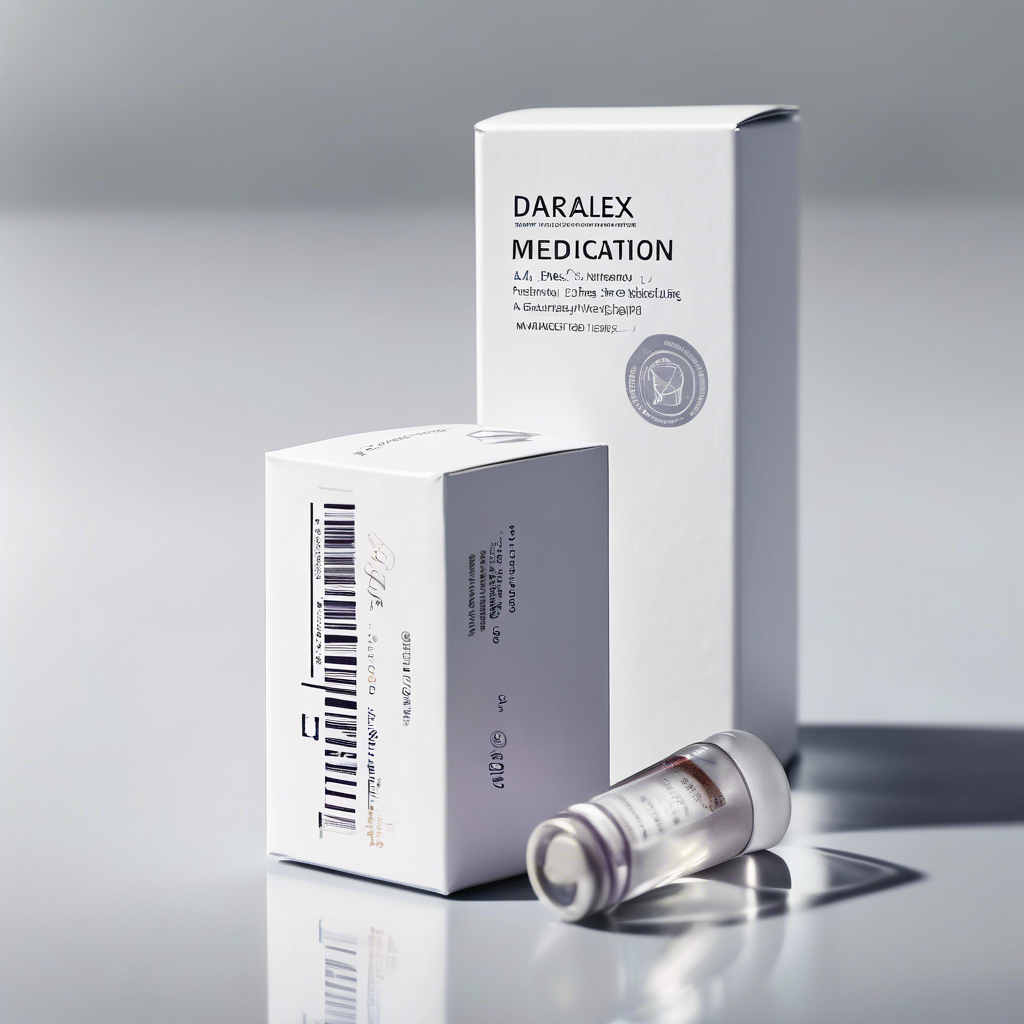
    The landscape of multiple myeloma treatment is on the brink of a transformative leap forward, thanks to the potential approval of daratumumab as a therapy for newly diagnosed patients. This monoclonal antibody uniquely targets the CD38 protein, which is highly expressed on multiple myeloma cells, and its upcoming authorization could make it the only anti-CD38 treatment available for all patient types right from the frontline. This is a groundbreaking development in oncology, especially for a disease as complex and challenging as multiple myeloma. The introduction of daratumumab as a foundational treatment offers renewed hope for improved clinical outcomes, signaling a new era in how oncologists approach initial therapy for this hematologic malignancy.

    Multiple myeloma itself is no ordinary cancer. It arises from the malignant proliferation of plasma cells within the bone marrow and presents a multifaceted challenge due to its heterogeneity and the critical role these cells play in the immune system. Historically, treatment options focused on slowing disease progression and managing symptoms, but they often had to balance efficacy with patient quality of life. Anti-CD38 therapies, including daratumumab, have revolutionized this approach by specifically targeting a surface protein abundant on myeloma cells. By doing so, these therapies harness the patient’s immune system to mount a potent attack on the cancer—an innovative mechanism that marks a shift from traditional chemotherapy to precision immunotherapy in multiple myeloma care.

    Daratumumab was the first of its kind— a “first-in-class” anti-CD38 monoclonal antibody— and has already changed the treatment terrain for patients with relapsed or refractory multiple myeloma. It works through multiple mechanisms: binding directly to the CD38 protein to induce tumor cell death, recruiting other immune cells to enhance the cancer cell elimination, and even triggering programmed cell death pathways within the malignant plasma cells. Its effectiveness and safety profile have been validated across numerous clinical trials and have earned it approval in later lines of therapy. The current drive towards frontline use is built on compelling data, especially from the landmark Phase 3 CEPHEUS trial, which shines a spotlight on daratumumab’s ability to improve progression-free survival, a key measure in cancer treatment success.

    The CEPHEUS study, a pivotal investigation, enrolled a diverse group of newly diagnosed myeloma patients to evaluate daratumumab’s performance when used early in therapy. It confirmed that patients receiving daratumumab in combination with standard regimens experienced a statistically significant extension in progression-free survival compared to those treated with standard therapy alone. For readers unfamiliar with the term, progression-free survival (PFS) refers to the length of time during and after treatment that a patient lives with the disease without it worsening—a crucial outcome that correlates with better overall survival chances and improved quality of life. Importantly, the inclusive trial design means these promising results are applicable to a wide range of patients regardless of age, genetic factors, or other clinical characteristics, reinforcing daratumumab’s role as a versatile frontline agent.

    Beyond its efficacy, daratumumab is notable for its manageable safety profile, which is no small feat in cancer therapy. Clinical trials, including CEPHEUS, have reported that side effects were largely related to infusion reactions and low blood counts but were generally tolerable and controllable. This means patients can stay on treatment longer with fewer interruptions, which is critical for sustained disease control. The drug’s adoption into frontline treatment protocols also aligns with evolving clinical guidelines that emphasize the importance of applying potent therapies early to maximize remission depth and improve long-term survival outcomes. Furthermore, ongoing research into daratumumab combinations with other innovative agents like proteasome inhibitors and immunomodulatory drugs holds the promise of even greater therapeutic synergy, possibly paving the way toward complete and durable remissions. Taken together, these advances underscore daratumumab’s emerging role as a cornerstone therapy in multiple myeloma management—heralding a new chapter in the quest to transform patient outcomes.

    #MultipleMyeloma
    #Daratumumab
    #CancerTreatment
    #OncologyBreakthrough
    #Immunotherapy
    #Hematology
    #CancerResearch

    Genomic profiling cancer is revolutionizing the way we understand, prevent, and treat one of the leading health challenges worldwide: cancer. By analyzing an individual's genetic makeup, this cutting-edge approach allows for personalized insights into cancer risk, offering a proactive path toward prevention and management. The importance of genomic profiling in cancer cannot be overstated—it empowers people to take control of their health before cancer takes control of them.

    Cancer arises from genetic mutations that disrupt normal cell functions, leading to uncontrolled growth. While some mutations are inherited, many develop due to lifestyle and environmental factors. Understanding one's genomic profile helps identify specific mutations and markers that indicate a heightened risk for certain types of cancer. This knowledge enables the design of targeted prevention strategies tailored to an individual’s unique genetic and lifestyle factors.

    OncoPreventer is a pioneering service that exemplifies this personalized approach to cancer prevention by integrating genetic analysis, artificial intelligence (AI), and preventive oncology. With OncoPreventer, users undergo a simple test that provides a comprehensive assessment of their cancer risk profile. This assessment reveals the types of cancer an individual is most susceptible to, allowing for early intervention and lifestyle modifications to reduce risk.

    One of the most compelling facts is that up to 80% of cancers are preventable if caught early or avoided through informed lifestyle changes. This statistic underscores the transformative potential of genomic profiling and personalized prevention plans. OncoPreventer offers users a scientifically-backed, actionable plan encompassing nutrition, supplements, regular checkups, and more. These recommendations are personalized, meaning they align precisely with an individual’s genetic disposition and health status.

    Moreover, OncoPreventer leverages advanced screening tools that can be used conveniently from home, removing barriers related to clinic visits and waiting times. This continuous monitoring adapts as your body and habits evolve, ensuring that prevention strategies remain effective over time. The service also keeps users informed with updates, helping maintain motivation and adherence to personalized health goals.

    The advantages of using a service like OncoPreventer are manifold:
    – Early detection and risk awareness significantly increase the chances of preventing cancer or detecting it at a more treatable stage.
    – Personalized nutrition and supplement plans optimize your body's defenses against cancer.
    – Continuous health monitoring helps identify changes that might require medical attention.
    – The convenience of home testing reduces stress and time commitment, making preventive health easier to manage.

    In summary, genomic profiling in cancer prevention represents a paradigm shift in healthcare. It moves the focus from reactive treatment to proactive risk management, maximizing the possibility of living a longer, healthier life. With OncoPreventer, individuals are empowered with the knowledge and tools needed to take control of their health journey. No clinics, no waiting, just lifesaving insights at your fingertips.

    Starting your personal cancer prevention journey today with OncoPreventer means embracing a future where cancer risks are understood, managed, and significantly minimized. The power to protect your health is in your hands—take control now before cancer takes control of you.

  • Cancer Screening For Women

    Cancer is undeniably one of the most formidable health challenges facing women globally, but today’s medical landscape offers unprecedented hope. Women’s unique vulnerabilities to cancers such as breast, ovarian, and cervical have long necessitated specialized screening and preventive approaches. Traditional methods like mammograms, Pap smears, and HPV tests play vital roles in early detection, yet they often deliver generic protocols that might overlook individualized risks. Enter OncoPreventer—a revolutionary personalized cancer prevention service that marries cutting-edge genetic analysis, artificial intelligence, and preventive oncology to empower women to seize control of their health before cancer ever gains a foothold.

    Screening is the cornerstone of cancer prevention, especially given that up to 80% of cancers are avoidable when identified early or through proactive lifestyle adjustments. However, the one-size-fits-all nature of conventional cancer screenings can sometimes falter in recognizing the subtle nuances of a woman's unique genetic and biological makeup. This is where OncoPreventer disrupts the status quo. By performing a simple, at-home test that analyzes a woman’s genetic markers along with detailed health data, it unveils personalized risk profiles. These profiles spotlight which types of cancer a woman may be predisposed to, thus transforming preventive care from a reactive to a dynamic, individualized journey. What’s fascinating is how OncoPreventer’s AI continuously refines these insights by integrating real-time updates on lifestyle shifts and biological changes—a truly adaptive approach that echoes the fundamental complexity of human health.

    Digging deeper, OncoPreventer doesn't stop at risk assessment. It delivers a meticulously tailored prevention plan based not just on genetic predispositions but also on emerging scientific evidence linking diet, supplements, exercise, and periodic medical checkups to cancer risk reduction. For instance, certain nutrients may inhibit tumor development or reduce inflammation, while specific supplements could bolster the immune system’s cancer-fighting capabilities. Customized lifestyle adjustments—ranging from exercise regimens to stress management techniques—further empower women to act on these tailored recommendations. It’s akin to having a personal health coach, nutritionist, and oncologist rolled into one sophisticated program designed explicitly for the individual.

    One of the biggest hurdles in preventive healthcare is accessibility, yet OncoPreventer breaks down these barriers by providing advanced screening tools that can be used right from home. This aspect is more than convenient; it’s transformative. By removing clinic visits and long waiting times, it encourages women to routinely monitor their health without the typical logistical headaches, dramatically increasing compliance and early intervention rates. Imagine the ease of conducting a simple test in the comfort of your living room, and then receiving a personalized roadmap that evolves as you do. This approach epitomizes how technology can seamlessly integrate into our daily routines to enhance well-being.

    Cancer risk is an evolving narrative, reflecting fluctuations in biology, environment, and lifestyle. Recognizing this, OncoPreventer’s continuous monitoring feature ensures that the preventive strategy never goes stale. With AI-powered analytics, it tracks ongoing changes and adjusts recommendations accordingly, offering a health plan that is as dynamic as the person it serves. This continuous feedback loop underscores a broader revolution in healthcare, where data-driven insights and technology empower us to anticipate and counter health threats proactively. As more women join the thousands already benefiting from OncoPreventer, the narrative is clear: the future of cancer prevention lies in personalized, technology-enabled care that gives women full control over their health destiny, ensuring cancer doesn’t get the upper hand.

    #CancerPrevention #WomenHealth #PersonalizedMedicine #OncoPreventer #EarlyDetection #AIinHealthcare #PreventiveOncology

  • Cancer Screening For Men

    Cancer continues to be one of the most significant health challenges facing men globally, causing extensive morbidity and mortality. The good news is that early detection through routine cancer screening can dramatically improve the chance of successful treatment and survival. Despite this, many men remain unaware or hesitant about regular check-ups, allowing potentially treatable cancers to progress unnoticed. Understanding the variety of screening options available and their importance is the first step toward empowering men to take control of their health. By catching cancer in its nascent stages, treatments are often less invasive, more effective, and offer a higher quality of life post-treatment—a compelling reason to prioritize screenings.

    Cancer screening refers to the process of testing individuals who are not exhibiting any symptoms but may be at risk for cancer. This preventative approach helps identify cancers before they have spread or caused serious damage. The concept is straightforward but immensely powerful: find the disease early, treat it early. Different cancers require different screening methods, and timing can vary based on risk factors such as age, family history, ethnicity, and lifestyle choices. For men, there are several critical types of cancer screenings, including prostate, colorectal, lung, skin, and testicular cancer. Each has unique guidelines and considerations, emphasizing the importance of personalized healthcare discussions with qualified medical providers.

    Prostate cancer screening is an essential aspect of men’s health, particularly for those over 50 or with increased risk factors. The two main screening methods are the Prostate-Specific Antigen (PSA) blood test and the Digital Rectal Examination (DRE). While the PSA test measures the level of a protein produced by the prostate, elevated levels can indicate cancer but may also result from benign conditions like prostatitis or an enlarged prostate. This ambiguity highlights the necessity of informed conversations between patients and healthcare providers regarding the benefits and potential downsides of screening. Interestingly, African American men and those with a family history of early-onset prostate cancer are advised to begin screening discussions sooner, around age 45. Such targeted recommendations aim to catch disease earlier in high-risk populations and exemplify the trend toward personalized medicine in cancer prevention.

    Colorectal cancer screening has witnessed remarkable progress in recent years, saving countless lives by identifying precancerous polyps before they develop into malignancies. Routine colonoscopy remains the gold standard, allowing doctors to visually inspect the colon and remove suspicious growths in real-time. For those hesitant about invasive procedures, stool-based tests like the fecal immunochemical test (FIT) or multi-target stool DNA tests offer less invasive yet effective options. Starting screening at age 45 for average-risk men is recommended, with earlier intervention for those with genetic predispositions or family history. Beyond the potential to detect cancer early, regular screening offers the fascinating benefit of reducing overall cancer incidence by catching and removing polyps. This proactive approach highlights how prevention and early detection can work hand in hand to keep men healthier longer.

    Lung cancer screening targets those at highest risk—specifically men aged 50 to 80 with a significant history of smoking. The use of low-dose computed tomography (LDCT) allows for detailed imaging of the lungs to spot tumors that may be too small to detect otherwise. Annual screenings are advocated for eligible individuals, balancing the benefits of early detection against the risks of radiation exposure and false positives. Awareness campaigns surrounding lung cancer screening have been gaining traction, given lung cancer’s reputation as a leading cause of cancer deaths among men. In conjunction with smoking cessation efforts, LDCT screening represents a powerful tool in reducing lung cancer mortality rates. Notably, lung cancer can develop silently without symptoms until advanced stages, underscoring the critical nature of screening in at-risk populations.

    Skin and testicular cancers round out the key screening priorities for men. Skin cancer, including melanoma, can often be spotted through vigilant self-examinations alongside annual dermatological visits. Men are advised to familiarize themselves with their skin’s landscape and report any new or changing lesions. Testicular cancer screenings rely primarily on monthly self-examinations beginning in puberty, as this cancer typically affects younger men between 15 and 35 years of age. Amazingly, the five-year survival rate for testicular cancer detected early is around 98%, demonstrating the power of awareness and early action. Such high survival rates are among the most encouraging statistics in oncology and reinforce the importance of routine self-care and monitoring. Both skin and testicular cancers illustrate how routine self-awareness can play a crucial role in cancer prevention alongside medical screenings.

    In recent years, the concept of personalized cancer prevention has gained significant momentum, with innovative programs like OncoPreventer offering tailored approaches that combine cutting-edge science with practical lifestyle guidance. By leveraging genetic information and artificial intelligence, OncoPreventer evaluates individual risks and crafts customized prevention plans that include nutritional advice, supplement recommendations, and scheduling regular check-ups. Additionally, the option of at-home screening kits provides greater convenience and privacy, lowering barriers to consistent cancer surveillance. Continuous monitoring and adaptive strategies ensure that prevention evolves as personal habits and health profiles change. Such personalized approaches have the potential to reduce cancer incidence by up to 80%, marking a monumental shift from reactive to preventative care. Integrating these tailored solutions with traditional screenings can empower men to stay ahead in their health journeys.

    In conclusion, regular and timely cancer screenings remain foundational to early detection and improved treatment outcomes in men’s health. Understanding the specific screenings relevant to individual risk profiles and taking proactive steps to adhere to preventive measures can dramatically minimize cancer risks. Embracing both conventional screenings and emerging personalized prevention programs equips men with a multi-layered defense against cancer. It is paramount for men to engage in open dialogues with healthcare professionals to tailor their screening schedules best suited to their unique health circumstances. Ultimately, fostering awareness, self-examination practices, and modern preventive interventions form a robust framework that enhances longevity and quality of life.

    #MensHealth #CancerScreening #EarlyDetection #ProstateCancer #ColorectalCancer #LungCancer #PreventionIsKey

  • Smart Health Monitoring

    Cancer continues to be one of the foremost health challenges worldwide, accounting for millions of deaths annually. However, the tide is slowly turning thanks to remarkable advancements in health technology. A striking fact: it is estimated that nearly 80% of cancers can actually be prevented through early detection and lifestyle changes. This revelation shines a hopeful light on the future of cancer prevention. At the heart of this change lies smart health monitoring—a cutting-edge approach that melds genetic science, artificial intelligence (AI), and wearable devices to create personalized cancer prevention strategies. Unlike traditional one-size-fits-all health plans, this innovative technology offers individuals a tailored roadmap to reduce their cancer risk, essentially putting the power of prevention in their own hands.

    Smart health monitoring works by continuously analyzing a range of health data to paint a comprehensive picture of an individual’s cancer risk. This starts with personalized cancer risk assessments, where AI algorithms dissect genetic information alongside lifestyle factors such as diet, exercise, and exposure to environmental toxins. By doing so, these systems can identify who may be more susceptible to specific types of cancer, allowing for precision-targeted interventions. Imagine getting a custom-tailored blueprint that guides you on what nutrients to focus on, which exercises to prioritize, and when to schedule regular health check-ups—all designed explicitly for your unique genetic makeup and lifestyle habits. Additionally, wearable devices and mobile apps serve as ever-watchful guardians, enabling at-home screenings and continuous monitoring. This means earlier detection of potential health concerns without the hassle of frequent clinic visits, which can be a game-changer for busy individuals or those living in remote areas.

    The fusion of AI with wearable tech is driving fascinating innovations in cancer prevention. AI diagnostics can process vast amounts of data—from mammogram images to complex genomic codes—spotting subtle patterns that might elude even the most skilled human eyes. For example, AI-powered computer vision is enhancing the accuracy of breast cancer diagnoses, a vital leap forward given breast cancer’s prevalence around the globe. Meanwhile, wearable devices such as smartwatches and fitness trackers are evolving beyond simple fitness monitoring. They now keep tabs on vital signs like heart rate variability, skin temperature fluctuations, and activity patterns—data points that, when analyzed over time, can hint at emerging health issues. Further extending this frontier are mobile health apps capable of analyzing skin lesion photos to detect early signs of melanoma, transforming your smartphone into a crucial tool for skin health vigilance. An intriguing tidbit: scientists are exploring how smart contact lenses might someday measure glucose or cortisol levels via tear fluid, potentially broadening the scope of wearable health monitoring even more.

    Platforms like OncoPreventer epitomize this technological revolution in personalized cancer prevention. By combining refined genetic analysis with robust AI, OncoPreventer delivers individualized cancer risk profiles that help users understand their unique vulnerabilities. Following this, the platform crafts bespoke prevention plans involving dietary guidelines, targeted exercise routines, supplementation advice, and tailored screening schedules. One of OncoPreventer’s standout features is its integration of advanced at-home screening tools, which empower users to track key health metrics easily, comfortably, and confidentially. Moreover, the system is designed for continuous improvement—monitoring changes in users’ health data and updating prevention plans accordingly ensures that the guidance remains relevant and effective over time. This adaptive approach is particularly vital given how dynamic our health and habits can be. It’s like having a personal health coach that evolves alongside you.

    Looking ahead, the future of smart health monitoring is dazzlingly innovative. Experts forecast that by 2035, wearables will undergo a radical transformation—not just watches and bands, but smart patches, contact lenses, even everyday objects like clothing and steering wheels infused with sensors for seamless health tracking. The devices will sport revolutionary battery life, potentially running for years without charging by harnessing body heat or ambient light. Sensors will become increasingly sophisticated, monitoring a wide range of biomarkers with pinpoint accuracy. AI will take center stage, translating these mountains of continuous data into actionable insights in real time. Wearables won’t just be passive collectors—they’ll actively guide users, predict illness onset, and even facilitate smooth communication with healthcare professionals. There’s even speculation about wearables enhancing social interactions through augmented reality features like face recognition linked to medical data, enriching personal connections. Such futuristic technologies promise to weave health monitoring so seamlessly into daily life that protecting against cancer could become both effortless and highly effective.

    Smart health monitoring marks a profound shift in how we approach cancer prevention. By combining personalized risk assessment with continuous, adaptive health management, this paradigm empowers individuals to take charge of their well-being like never before. With platforms such as OncoPreventer leveraging the strengths of AI and wearable tech, we are stepping into an era where early detection and prevention are more achievable and personalized. This transformative journey not only offers hope for reducing the global cancer burden but also inspires a future where technology and human health dance in harmony toward lasting wellness.

    #SmartHealth
    #CancerPrevention
    #WearableTech
    #PersonalizedMedicine
    #AIHealth
    #OncoPreventer
    #FutureOfWellness

  • Digital Health Cancer

    Cancer continues to pose a significant challenge to global health, claiming nearly 10 million lives in 2020 alone. Despite this daunting statistic, the silver lining lies in the promising fact that roughly 80% of cancers could potentially be prevented. Early detection combined with mindful lifestyle changes plays a pivotal role in this prevention. In light of these facts, there is a growing emphasis on empowering individuals to take proactive control of their health. Digital health technologies have emerged as game-changers in the arena of cancer prevention, offering accessible, personalized, and innovative tools designed to keep cancer at bay.

    The digital health revolution is reshaping how we approach cancer prevention by providing individuals with intuitive tools to monitor their wellness, understand their risks, and adopt preventive measures. From mobile applications and wearable gadgets to sophisticated telemedicine platforms and artificial intelligence (AI) systems, technology is becoming a trusted ally in fighting this formidable disease. These tools don’t just provide generic advice; they personalize recommendations, making cancer prevention a tailored experience. For example, there are platforms like Outcomes4Me that utilize AI to guide treatment options, help patients find suitable clinical trials, and supply educational content specifically crafted for their cancer journey. Such personalized attention is vital because no two individuals share the same risk profile when it comes to cancer.

    One of the cornerstones of effective cancer prevention is personalized risk assessment. This technique delves deep into an individual’s unique factors including genetics, family history, lifestyle habits, and environmental exposures. Understanding these elements enables the creation of customized prevention strategies. Take for instance the PREVENT digital intervention, which aids healthcare providers to offer behavior counseling targeted at cancer survivors, enhancing motivation to adopt healthier lifestyles. It emphasizes improving diet and physical activity, both crucial in reducing the likelihood of cancer recurrence. This personalized approach contrasts sharply with the one-size-fits-all model of healthcare, highlighting how technology facilitates more nuanced and effective prevention planning.

    Recent innovations in digital health have also made cancer screening more convenient and less intimidating. At-home screening tools exemplify this shift. The Teal Wand, a notable breakthrough approved by the U.S. Food and Drug Administration, empowers individuals to collect samples at home for HPV testing. This less invasive method not only encourages more people to undergo cervical cancer screening but also addresses barriers faced by under-screened groups, such as discomfort or access issues. By simplifying the screening process, it helps detect precancerous conditions earlier, significantly improving treatment outcomes. Alongside these tools, wearable devices and mobile applications continuously track health metrics — from physical activity levels to sleep quality — providing ongoing insights and updates that refine personalized prevention plans.

    Among the leaders in integrating these digital health advances is OncoPreventer, a platform that marries genetic analysis, AI, and preventive oncology to offer a comprehensive defense against cancer. OncoPreventer’s approach starts with a deep dive into an individual’s cancer risks, followed by tailored prevention plans that include specific nutritional advice, supplement suggestions, and recommended screenings. What sets it apart is the inclusion of advanced at-home screening technologies, which bring early detection right to the user’s doorstep. Moreover, the platform’s continuous monitoring approach means that as users’ health profiles or habits shift, their prevention strategies are dynamically adjusted. This level of customization and convenience provides individuals unprecedented control over their health, enabling them to act swiftly and effectively, without the delays or inconveniences of traditional clinic visits.

    The value of platforms like OncoPreventer cannot be overstated in the fight against cancer. They democratize access to precision health strategies, moving away from passive patient roles to active health ownership. By leveraging cutting-edge digital tools, these platforms not only support healthier behaviors but also foster a sense of empowerment, encouraging people to stay engaged and informed about their health journey. Thousands of users have already embraced this proactive approach, appreciating how technology transforms daunting cancer prevention into manageable, everyday actions. This evolving landscape signifies a powerful shift towards more accessible, personalized, and effective cancer prevention strategies that have the potential to save lives and enhance quality of life worldwide.

    In conclusion, the integration of digital health technologies marks a transformative milestone in cancer prevention. Through personalized risk assessments, customized action plans, innovative at-home screening tools, and continuous health monitoring, digital solutions such as OncoPreventer allow individuals to take the reins of their health. This shift towards personalization and accessibility not only enhances preventive care but also promises a future where the burden of cancer might be substantially diminished. As these technologies continue to evolve, embracing them is paramount for anyone seeking to optimize their well-being and reduce cancer risk effectively. The future of cancer prevention is here—empowered, personalized, and digital, inviting everyone to participate in this life-saving journey.

    #DigitalHealth #CancerPrevention #PersonalizedMedicine #OncoPreventer #AtHomeScreening #HealthTech #AIinHealthcare