Category: Uncategorized

  • Roswell Park Experts Share Cutting-Edge Breast Cancer Studies at SABCS 2025

    Roswell Park Comprehensive Cancer Center will present new research at the 2025 San Antonio Breast Cancer Symposium (SABCS), showcasing advances in precision medicine for breast cancer treatment. More than a dozen research teams from Roswell Park will share findings that span clinical trials, health disparities, artificial intelligence, and novel treatment strategies, focusing on improving outcomes and quality of life for breast cancer patients.

    Sheheryar Kabraji, Chief of Breast Medicine at Roswell Park, emphasized the center’s dedication to addressing key challenges in breast cancer through the work of faculty and trainees. Kazuaki Takabe, Chief of Breast Surgery and The Alfiero Foundation Endowed Chair in Breast Oncology, highlighted the integration of molecular signatures and immune microenvironment studies to develop personalized surgical and medical approaches.

    Key presentations on Wednesday, December 10, include comparative analyses of chemotherapy and HER2-targeted therapy in elderly patients, gaps in sexual health counseling from a global oncology trainee perspective, and real-world studies on the impact of diabetes and glucagon-like peptide-1 receptor agonists on breast cancer outcomes. Additional research will focus on developing patient-derived xenografts following CDK4/6 inhibitor therapy, the role of TP53 mutations in treatment duration, and the epithelial-mesenchymal transition signature in tumors.

    Thursday, December 11, features evaluations of large language models for clinical decision support in breast cancer care, germline mutations unrelated to breast cancer, tumor progression markers in triple-negative breast cancer, and analysis of Bruton’s tyrosine kinase expression in breast tumors. Other topics include spatial biomarker associations for CAR-T cell therapy, global disparities in breast cancer clinical trials, and the impact of insurance status on young breast cancer patients’ outcomes.

    On Friday, December 12, research presentations will cover real-world outcomes of Capivasertib use in metastatic breast cancer and a phase II trial combining tamoxifen with pegylated liposomal doxorubicin in patients with metastatic triple-negative breast cancer.

    The San Antonio Breast Cancer Symposium, hosted by the Mays Cancer Center at the University of Texas Health Science Center at San Antonio in partnership with the American Association for Cancer Research, is the world’s largest breast cancer research conference. This year’s meeting, from December 10 to 13, is expected to attract over 11,000 clinicians, researchers, and patient advocates from more than 102 countries.

    Founded in 1898, Roswell Park Comprehensive Cancer Center is a leader in cancer research and treatment innovations, recognized as “Exceptional” by the National Cancer Institute. The center serves patients across New York State, combining compassionate care with cutting-edge science. For more information, visit www.roswellpark.org or contact 1-800-ROSWELL.

  • With Pyxis Oncology Stock Sliding, Have You Assessed The Risk?

    ©Copyright 2019 Insight Guru Inc. All Rights Reserved.

    By using this site, you agree to the Terms of Use. Financial market data is provided by Quotemedia.com. Consensus EPS estimates are sourced from QuoteMedia and updated every weekday.

    NYSE and AMEX data are delayed by 20 minutes. NASDAQ and other market data are delayed by 15 minutes unless otherwise indicated.

  • From robotic surgery to radiation beams: understanding precision healing in oncology

    Cancer treatment traditionally relies on surgery, radiation, and chemotherapy. For advanced or aggressive tumors, a multimodal approach targeting cancer on multiple fronts yields the best outcomes. Surgery removes the solid tumor and nearby lymph nodes, adjuvant radiation destroys microscopic cancer cells remaining in the surgical area, and chemotherapy targets cancer cells potentially circulating in the body.

    Recent advances in robotic surgery and radiation therapy have enhanced precision and improved patient outcomes, making it essential for patients and caregivers to understand these innovations.

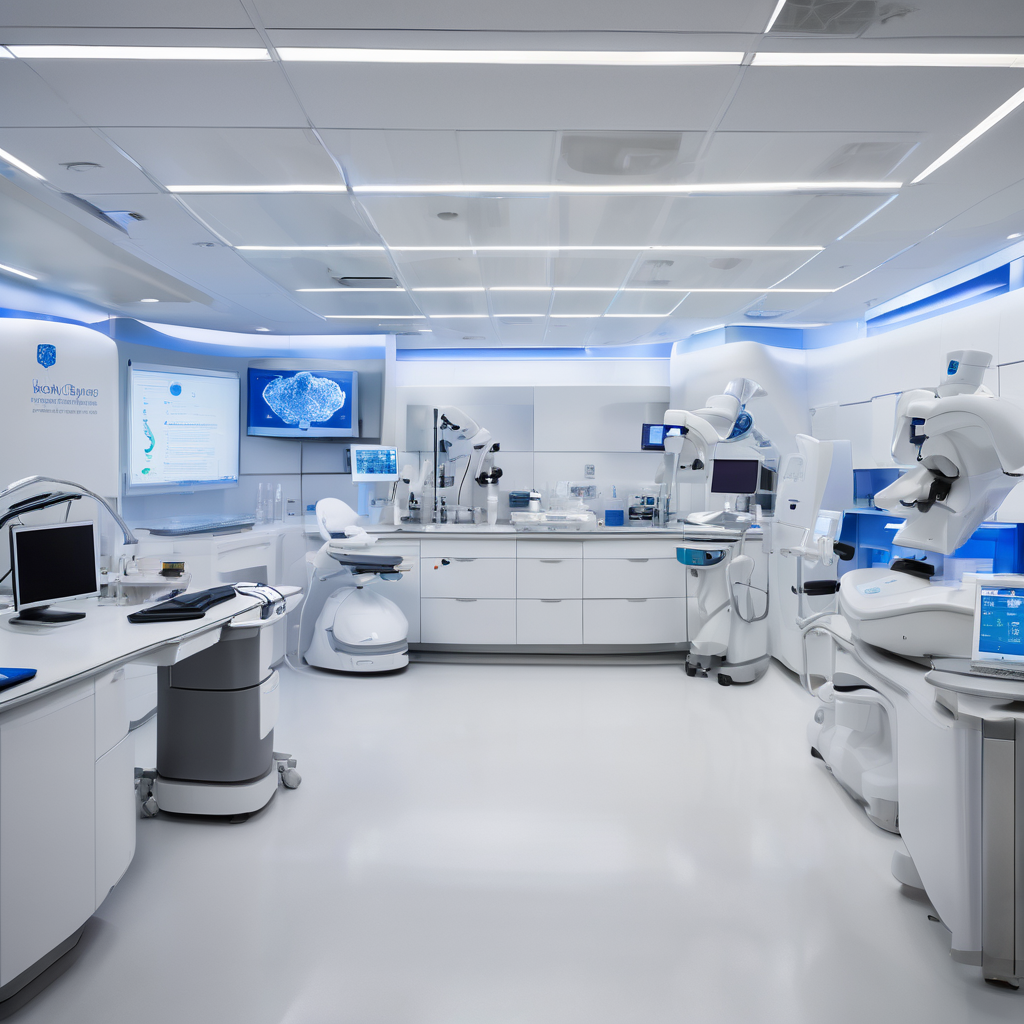
    Robotic surgery is a state-of-the-art form of minimally invasive surgery that is transforming cancer care globally. Unlike traditional open or laparoscopic surgery, robotic platforms enable surgeons to operate with greater precision and flexibility in difficult-to-reach areas. The most commonly used robotic systems function as telemanipulators controlled by surgeons from ergonomic consoles that provide magnified 3D high-definition views. These systems translate the surgeon’s movements in real time, incorporating features like tremor filtration and motion scaling for delicate procedures.

    Robotic surgery offers cancer patients numerous benefits, including less pain, minimal blood loss, reduced infection risk, smaller scars, shorter hospital stays, and faster recovery. Large studies confirm that cancer cure rates and long-term outcomes are comparable to conventional surgery. This approach is especially advantageous in cancers of the pelvis (prostate, cervix, endometrium, rectum), kidney, bladder, esophagus, lung, and throat.

    While robotic surgery is currently more expensive due to equipment and maintenance costs, prices are expected to decrease with new players entering the market. Most health insurance plans in India now cover robotic surgery, following guidelines issued by the Insurance Regulatory and Development Authority of India in 2019.

    India is seeing rapid growth in robotic procedures, recording a 53% increase in 2024 and becoming the fastest-growing market in the Asia-Pacific region. The sector’s value is projected to rise from $78 million in 2022 to $390 million by 2030. Future robotic systems will integrate artificial intelligence, improved ergonomics, and multi-quadrant access to reduce surgeon fatigue and complications, making robotic surgery a fast-emerging standard for minimally invasive cancer procedures.

    Radiation therapy works by delivering high-energy X-rays to damage the DNA of cancer cells. Earlier radiation machines, while effective, lacked precision and often exposed healthy tissues to unnecessary radiation, causing side effects. Advances in imaging, computing, engineering, and physics have revolutionized radiation therapy, making treatments safer, faster, and more precise.

    Image-Guided Radiation Therapy (IGRT) uses imaging before each session to target tumors accurately, compensating for internal movements such as breathing or organ shifts. Techniques like Intensity-Modulated Radiation Therapy (IMRT) and Volumetric Modulated Arc Therapy (VMAT) tailor radiation beams to tumor shapes, significantly reducing side effects in cancers of the head and neck, breast, brain, and prostate.

    Stereotactic radiation, including Stereotactic Radiosurgery (SRS) for brain tumors and Stereotactic Body Radiation Therapy (SBRT) for lung, liver, and spine cancers, delivers high-dose, precise treatment in 1 to 5 sessions instead of the traditional 25 to 40. Often described as “surgery without a knife,” these methods spare surrounding healthy tissues.

    Adaptive Radiation Therapy enables modification of treatment plans during sessions as tumors shrink or patient anatomy changes. The Magnetic Resonance Linear Accelerator (MR-Linac) combines real-time MR imaging with radiation delivery for precise adjustments, useful for tumors that move with breathing.

    Beyond traditional X-rays, proton and carbon-ion therapies provide more selective radiation delivery, reducing long-term side effects, especially valuable in pediatric cases. Innovations such as FLASH therapy, robotic assistance, tumor-tracking systems, and digital “virtual patient” models are shaping the future of radiation oncology. Artificial intelligence helps by automating tumor and organ outlining, improving planning speed and accuracy.

    Overall, advancements in robotic surgery and radiation therapy have sharpened cancer treatment tools, making them more precise and safer. These developments have improved patient outcomes, shortened treatment times, and minimized side effects, benefiting clinicians and patients alike by increasing the number of lives saved and improved.

  • Servier Welcomes Peter Adamson as Global Head of Oncology Clinical Development

    Servier Pharmaceuticals announced the appointment of Peter Adamson as Global Head of Oncology Clinical Development.

    Adamson is a recognized physician-scientist and executive leader with extensive expertise in oncology drug development, clinical pharmacology, and translational research. He has held leadership positions in academia, government, and industry, overseeing complex clinical programs and large research initiatives.

    Servier aims to advance its mission of delivering transformative cancer therapies under Adamson’s leadership.

  • Mayo Clinic, GE HealthCare announce new oncology research initiative

    GE HealthCare and Mayo Clinic have launched a new radiation therapy initiative called GEMINI-RT. This collaboration builds on their 2023 radiology research partnership, combining Mayo Clinic’s clinical and research expertise with GE’s technical and engineering capabilities to advance prediction, planning, automation, workflow, and monitoring in radiation oncology.

    The GEMINI-RT initiative aims to integrate imaging, advanced therapies, dosimetry, and patient monitoring throughout the patient journey to provide more comprehensive and personalized cancer care. It seeks to make personalized treatments more accessible by streamlining data-driven approaches, focusing on four strategic areas: automation, predictive oncology, multi-modal therapies, and connected care.

    The partnership will develop AI-enabled tools to eliminate repetitive tasks and accelerate treatment planning. Clinical insights will be utilized to personalize cancer treatment decisions, improving patient outcomes. The initiative will also explore combining radiation with emerging treatments such as targeted drugs and precision heating. Additionally, AI, biomarkers, and sensors will be used to monitor patients beyond the clinic, aiming to predict side effects early and support home-based care.

    Research activities for GEMINI-RT will take place at Mayo Clinic’s Rochester, Minnesota campus. The initiative builds on the 2023 strategic radiology research alliance between the two organizations, which focuses on innovations in MRI, theranostics, and diagnostic and interventional ultrasound.

    Radiation therapy is a critical treatment used in over half of oncology cases globally, including more than 2 million patients annually in the United States. GE HealthCare recently acquired Intelerad for $2.3 billion, reinforcing its commitment to AI-powered, cloud-based precision medicine and oncology solutions. Mayo Clinic continues to advance personalized treatments through the use of AI and real-world data.

    Dr. Bryan Traughber, vice chair of innovation for radiation oncology at Mayo Clinic, said, “GEMINI-RT is grounded in the concept of ‘twinning the patient, personalizing the beam.’ The combination of research and technological acumen could allow us to model individual patient journeys with precision, enabling radiation therapy treatments that are truly tailored to each patient.”

    Dr. Ben Newton, GE HealthCare’s global head of oncology, added, “This effort enables us to collaborate on solutions that are not only leading-edge but also clinically meaningful, helping shape the future of personalized radiation therapy. By integrating innovative technology and AI across the care continuum, we can improve clinician experience, support high-quality patient care, and help reduce burnout among care teams.”

  • The Art and Essence of Oncology Nursing

    Oncology nursing is a complex and vital specialty within healthcare, combining scientific expertise with empathy, advocacy, and coordination. Oncology nurses support patients and families through the physical and emotional challenges of a cancer diagnosis, addressing medical, psychological, social, and spiritual needs.

    These nurses are highly skilled clinicians who apply evidence-based practice alongside advances in precision medicine, such as targeted therapies, immunotherapies, and cellular treatments. They monitor for toxicities, recognize complications early, and educate patients on complex treatment regimens. Specialized training in symptom management, survivorship, and end-of-life care further equips oncology nurses to serve as caregivers, educators, and safety advocates.

    Beyond treatment, oncology nurses promote screening and prevention by guiding patients on risk-reduction strategies informed by organizations like the American Cancer Society and the U.S. Preventive Services Task Force. They translate clinical guidelines into patient-centered care that directly impacts health outcomes.

    The core of oncology nursing lies in compassionate presence. Facing fear, uncertainty, and life disruption, patients rely on nurses for comfort, reassurance, and hope. Therapeutic communication and emotional support from oncology nurses enhance patient satisfaction, treatment adherence, and overall quality of life. Moments such as providing quiet support during scan results or celebrating survivorship milestones humanize the cancer experience and affirm the patient’s identity beyond their diagnosis.

    Oncology nurses are key members of interdisciplinary teams, facilitating communication among oncologists, pharmacists, social workers, and palliative care specialists. Their advocacy extends to healthcare systems, where they lead quality improvement initiatives, promote equitable access, and influence policies to reduce disparities. Nurse-led navigation programs have demonstrated success in increasing timely treatment and overcoming barriers faced by underserved populations.

    As cancer increasingly becomes a chronic condition, survivorship care has gained significance. Oncology nurses focus on long-term side effects, psychosocial health, and recurrence prevention, implementing personalized survivorship plans that are essential to comprehensive cancer care. Additionally, they play a critical role in end-of-life care, guiding patients and families through palliative and hospice transitions with dignity and compassion.

    Oncology nursing embodies a dual identity as clinicians grounded in science and healers rooted in compassion. Through clinical expertise, therapeutic communication, leadership, and advocacy, oncology nurses uphold the highest standards of healthcare. Whether working in infusion centers, inpatient units, navigation programs, research, or survivorship clinics, they provide unwavering support and skill to patients and families.

    Oncology nurses represent both the art and heart of cancer care.

  • SIO 2026 Annual Scientific Meeting

    The Society of Interventional Oncology (SIO) will host its Annual Scientific Meeting from February 4 to 8, 2026, in Savannah, Georgia. This event aims to provide an intensive educational experience focused on the latest research and practices in interventional oncology (IO). Attendees will have the opportunity to explore new techniques and engage with peers in the field.

    A key highlight of the meeting will be the Dr. Sidney Wallace and Dr. Michael J. Wallace Distinguished Lecture. The lecture will be delivered by Afshin Gangi, MD, PhD, Chairman of Radiology and Nuclear Medicine at the University Hospital in Strasbourg, France, and a leading figure in interventional oncology.

  • Renuka Iyer, MD, Named New Chief Medical Officer for National Comprehensive Cancer Network (NCCN) | Newswise

    The National Comprehensive Cancer Network® (NCCN®), a leading alliance of cancer centers that publishes evidence-based guidelines for cancer prevention and care, has appointed Renuka Iyer, MD, as its new Chief Medical Officer (CMO).

    Dr. Iyer currently serves as a Professor of Oncology at Roswell Park Comprehensive Cancer Center, a member institution of NCCN. She is also Section Chief of Gastrointestinal Oncology, Vice Chair of Faculty Affairs in the Department of Medicine at Roswell Park, and Medical Director for Medical Oncology across the Roswell Park Care Network. In addition, she holds a professorship at the Jacobs School of Medicine at the University of Buffalo.

    Trained in medical oncology at Roswell Park, Dr. Iyer received her medical degree from Grant Medical College, University of Mumbai, followed by residency at Cornell University School of Medicine. She is board certified in internal medicine and oncology and has been recognized with awards from the North American Neuroendocrine Tumor Society, The Cholangiocarcinoma Foundation, and the American Cancer Society. Her research interests include novel therapies for rare cancers, immunotherapy, biomarkers, and quality of life. She has published extensively in peer-reviewed journals and contributed to numerous abstracts and book chapters.

    Crystal S. Denlinger, MD, Chief Executive Officer of NCCN, welcomed Dr. Iyer’s appointment, highlighting her commitment to advancing research and improving patient care. “Renuka is the perfect person to lead efforts that impact cancer treatment and outcomes globally,” Denlinger said. “Her career-long dedication to innovation and practical application aligns with NCCN’s mission to enhance access to high-quality, patient-centered cancer care.”

    Since 2023, Dr. Iyer has served on the NCCN Guidelines Steering Committee, providing strategic oversight for the organization’s Clinical Practice Guidelines in Oncology program. She has contributed as a panelist for guidelines related to Occult Primary Cancer and Hepatobiliary Cancer and participated in guidelines panels for other professional organizations.

    As CMO, Dr. Iyer will lead the NCCN Guidelines program, which encompasses 90 guidelines covering nearly every cancer type, prevention, screening, and supportive care. These guidelines are updated regularly and are accessible through various formats, including the interactive NCCN Guidelines Navigator™. Her responsibilities will also include oversight of the NCCN Compendia Library, the Continuing Education department, the Journal of the National Comprehensive Cancer Network (JNCCN), and involvement in global and policy initiatives.

    Dr. Iyer expressed enthusiasm about joining NCCN in this leadership role. “I am honored to take on this role at a time of significant advancements and opportunities to innovate how cancer care information is delivered,” she said. “After 21 years in academic oncology, I look forward to advancing high-quality cancer care and furthering NCCN’s mission.”

    Dr. Renuka Iyer will officially assume her role as NCCN Chief Medical Officer on February 26, 2026.

  • Why The Narrative Around Kura Oncology Is Shifting After Komzifti’s FDA Breakthrough

    The fair value of Kura Oncology has increased slightly from $31.80 to $33.00 per share, reflecting modestly higher long-term expectations. The discount rate has risen marginally from 7.01% to approximately 7.04%, indicating a slightly higher required return and perceived risk.

    Revenue growth assumptions remain steady at around 60.54%, with no significant revisions to top-line expansion expectations. However, the net profit margin has decreased slightly from roughly 16.98% to 16.03%, suggesting a modest reduction in long-term profitability forecasts.

    The future price-to-earnings (P/E) multiple has increased notably from about 56.5x to 62.2x, signaling a higher valuation assigned to Kura Oncology’s projected earnings.

    Investors can track these changes and more through Simply Wall St’s Community Narratives, which link a company’s evolving story with financial metrics such as revenue, earnings, margins, and fair value. The Kura Oncology narrative provides insight into how anticipated FDA approvals, frontline AML trials, and a diverse oncology pipeline translate into revenue and margin expectations.

    Milestone payments, partnership funding, and discount rate assumptions contribute to projections for earnings per share (EPS), future P/E ratios, and the illustrative fair value of $33 per share. Key risks include clinical and competitive pressures, funding requirements, and how new data or sales trends could impact the stock’s potential upside or downside in real time.

    This analysis is based on historical data and analyst forecasts using an unbiased methodology. It does not constitute financial advice or a recommendation to buy or sell any stock and does not consider individual financial situations or objectives. Simply Wall St holds no position in Kura Oncology.

  • Why Survivorship Matters: Creating Space in Multidisciplinary Cancer Care

    Oncology treatment extends beyond drug regimens to manage or cure cancer. While therapies are central to patient care, critical aspects such as psychosocial support, nutrition, survivorship, and sexual health must be integral to the overall treatment approach.

    Experts from leading US institutions, including Memorial Sloan Kettering Cancer Center, Atrium Levine Cancer Institute, and George Washington Medical Faculty Associates, emphasize a multidisciplinary approach to cancer care. Throughout 2025, CancerNetwork and ONCOLOGY interviewed clinicians across the cancer care continuum to explore integrating these elements into everyday oncology practice.

    Daniel C. McFarland, DO, director of the psycho-oncology program at Wilmot Cancer Center, notes that despite oncologists’ best intentions, delivering comprehensive psychosocial care remains challenging due to limited access to mental health services and insufficient training.

    Survivorship is defined by the National Cancer Institute as the focus on the health and well-being of a person with cancer from diagnosis through the end of life. Survivorship encompasses physical, mental, emotional, and financial effects of cancer and its treatment.

    Declan Walsh, MD, chair of the Department of Supportive Oncology at Atrium Health Levine Cancer Institute, stresses the importance of survivorship in multidisciplinary treatment. Atrium Health employs the “loved one” standard—considering how one would want a family member with cancer to be cared for—to guide their survivorship programs.

    Walsh highlights that many cancer centers offer supportive services such as counseling, support groups, nutrition, and palliative care, but these are often fragmented and not easily accessible. He advocates for organizing these services cohesively within a formal supportive oncology department, akin to radiation or surgical oncology departments. Integrating supportive oncology into tumor boards aims to facilitate earlier recognition of patient needs and promote interdisciplinary collaboration.

    Nutrition is a critical but under-addressed aspect of supportive care. Walsh points out that many patients diagnosed with cancer are overweight or obese, which affects both cancer risk and treatment outcomes. Conversely, undernutrition and severe weight loss are common complications of cancer and its treatment. Despite patients frequently asking about diet, evidence-based guidance on nutrition before, during, and after treatment remains limited.

    Denise B. Reynolds, RD, from Atrium Health Levine Cancer Institute, highlights nutritional challenges faced by cancer patients, who often suffer from malnutrition or adverse effects like nausea, mucositis, and dysphagia that hinder food intake. Reynolds recommends small, frequent meals and soft, moist foods to ease swallowing difficulties. Maintaining oral hygiene and using cold foods or ice can soothe mouth sores caused by treatment.

    Post-treatment nutrition focuses on achieving a healthy weight and incorporating exercise. Atrium Health aligns its recommendations with the American Institute for Cancer Research guidelines, which address weight management, secondary cancer prevention, and healthy eating.

    Dermatologic adverse events (AEs) affect the skin, hair, and nails in up to half of cancer patients, leading to treatment interruptions. The Association of Cancer Care Centers provides resources for managing these AEs. Adam Friedman, MD, of The George Washington University, coauthored a study revealing gaps in patient awareness about dermatologic side effects such as hair loss, dry skin, rash, and nail changes.

    Many patients report never being informed about potential hair loss or changes resulting from chemotherapy. Prevention strategies for mild skin and nail changes include using recommended skin products, preventing infections, moisturizing, and keeping nails trimmed short. Friedman recommends moisturizers indicated for eczema, which contain barrier protectants like colloidal oatmeal, and prefers ointments for cracked or irritated skin applied on damp skin to retain moisture.

    Emerging advances in oncodermatology include risk prediction tools that consider patient demographics and comorbidities to anticipate dermatologic AEs. Clinical trials are underway for FDA-approved topical treatments, such as for EGFR-associated papulopustular eruption.

    Psycho-oncology, integrating mental health into cancer care, remains underutilized. McFarland highlights this gap through discussions with experts on body image, sexual health, and mortality-related issues in cancer patients.

    Clinical psychologist Michelle Fingeret, PhD, emphasizes that body image concerns affect nearly all cancer patients. Body image relates to patients’ perceptions and feelings about their bodies following treatment-related changes. Although clinicians acknowledge these issues, they often lack tools or training to address them effectively. Fingeret advocates for normalizing and validating body image concerns to encourage patient communication.

    Christian J. Nelson, PhD, of Memorial Sloan Kettering Cancer Center, discusses men’s sexual health post-cancer treatment. Prostate, genitourinary, and gastrointestinal cancers and their treatments can impair sexual function and affect self-perception. Men often withdraw and avoid discussing these issues, unlike women who tend to seek social support. Nelson stresses the need for clinicians to initiate conversations about sexual health, including changes in libido, erections, orgasm, and urinary function during sexual activity. Sexual dysfunction affects 40% to 85% of men with cancer, impacting quality of life, and should be addressed routinely in patient care.

    Emotional recovery continues after treatment, and patients often face a disconnect between external perceptions of recovery and their own lived experience with ongoing side effects.

    Addressing mortality and end-of-life care is a difficult but essential aspect of oncology. William S. Breitbart, MD, of Memorial Sloan Kettering Cancer Center, explains the complex emotions patients face regarding death, including fear of the dying process and existential concerns about ceasing to exist.

    Research indicates that end-of-life discussions improve patients’ understanding of their prognosis. However, many patients do not engage in these conversations with their oncologists. Both McFarland and Breitbart advocate for frank, compassionate communication about prognosis and outcomes. Forgiveness—for patients and providers—is vital in coping with limitations in cancer care.

    In summary, comprehensive cancer care requires enhanced resources and greater integration of multidisciplinary services. Increasing visibility and collaboration among medical treatment, nutrition, psycho-oncology, and supportive care will promote a more patient-centered approach.

    Additional resources include the Atrium Health Wake Forest Baptist Cancer Survivorship Clinic, American Institute for Cancer Research Mediterranean Diet guidelines, oncologic dermatology references, and psycho-oncology training programs at Memorial Sloan Kettering Cancer Center.