Also Read | Can vitamin D levels affect colon cancer risk? Florida gastroenterologist explains the link between the two
Dr Seema Jagiasi, medical and haemato-oncologist at MOC Cancer Care Centre, told HT Lifestyle that colorectal cancer is rising in India but is largely preventable through simple lifestyle changes. She outlined five evidence-based strategies tailored to Indian lifestyles that can significantly reduce risk.
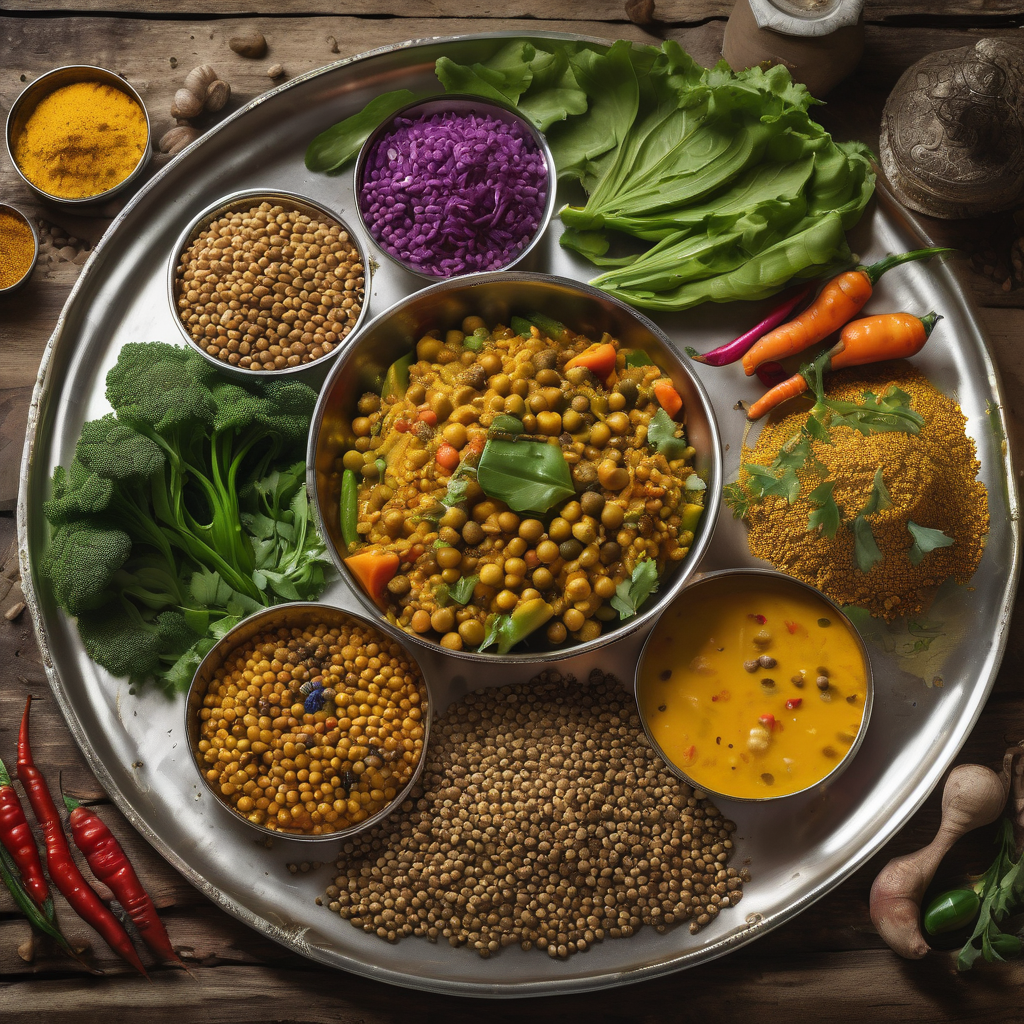
Prioritise fibres and plant-based foods. Higher consumption of plant foods — fruits, vegetables, legumes and whole grains — is associated with a lower risk of colorectal cancer, while diets high in red and processed meats increase risk. Focus on dals, vegetables, millets and whole‑grain rotis, restrict processed meats such as sausages and deli meats, minimise high‑heat cooking of meat and replace some meat servings with fish, paneer, pulses or legumes. Aim to boost fibre intake to about 25–35 g per day.
Adopt healthy lifestyle habits. Excess body weight, regular alcohol use and tobacco increase colorectal cancer risk. Regular aerobic activity (walking, cycling, yoga or sports) combined with resistance training supports weight control and lowers risk. Simple measures such as walking 30–45 minutes daily, reducing alcohol intake and avoiding smoking are feasible, cost‑effective and supported by the World Cancer Research Fund and observational research.
Prioritise preventive screening. Colorectal cancer often develops from polyps long before symptoms appear, and screening can detect polyps and early-stage cancer when treatment is most effective. Although India lacks an organised national screening programme, oncology bodies and Indian research show that organised screening (stool tests or endoscopy) for high‑risk groups substantially reduces mortality. International recommendations advise starting screening at age 45 for people with risk factors such as family history; patients should consult healthcare providers to determine the appropriate test and schedule, including colonoscopy or flexible sigmoidoscopy.
Recognise symptoms early. Early colorectal cancer may be asymptomatic, but signs that warrant prompt evaluation include changes in bowel habits (diarrhoea, constipation or thinner stools), visible or occult blood in stool, unexplained iron‑deficiency anaemia, abdominal discomfort and unintended weight loss. Timely assessment of persistent rectal bleeding or a new, lasting change in bowel habits improves the chances of early detection and successful treatment.
Support the gut microbiome. Emerging research links gut microbiome alterations to colorectal cancer. Extended or repeated antibiotic use, low‑fibre diets and processed foods can harm gut bacteria, while dietary fibre, legumes and traditional fermented foods (curd, properly prepared idli/dosa batter and fermented pickles) promote microbial diversity. Probiotic supplements remain under study; practical steps for gut health include eating fibre‑rich, minimally processed traditional foods and avoiding unnecessary antibiotics.
Leave a Reply