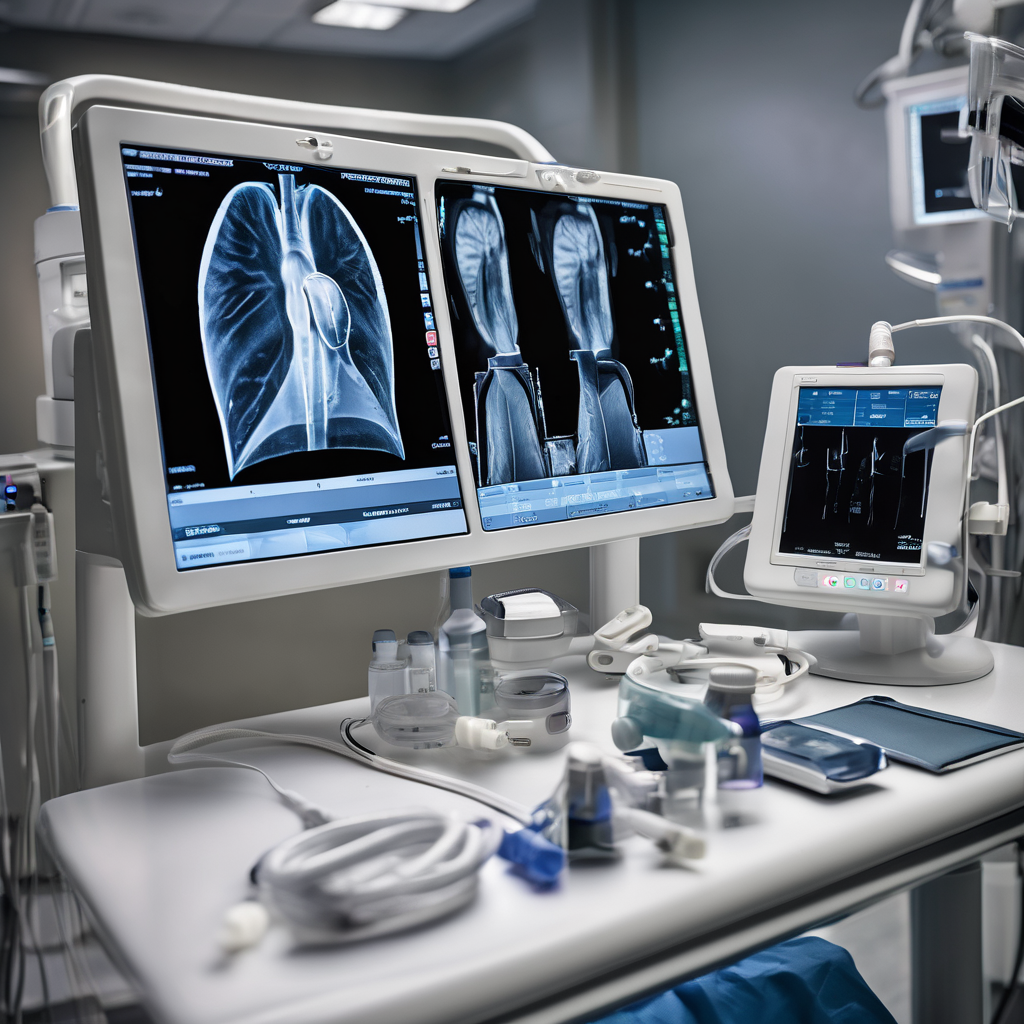
Comprehensive biomarker testing at the time of early non‑small cell lung cancer (NSCLC) diagnosis is critical to identifying actionable molecular alterations before definitive treatment is planned. Detecting these biomarkers early guides decisions about surgery, adjuvant therapy, and perioperative targeted or immune-based treatments, and can affect recurrence risk, long-term survival and overall patient outcomes.
Early molecular profiling enables clinicians to tailor treatment pathways, avoid unnecessary interventions, and select therapies most likely to provide benefit. In some cases, the presence of targetable alterations or biomarkers predictive of immunotherapy response alters the timing or extent of surgery and informs the choice of systemic therapies given before or after resection.
Endobronchial ultrasound (EBUS) has become an increasingly important tool for obtaining tissue for biomarker testing. As a minimally invasive method for sampling mediastinal lymph nodes and some peripheral lesions, EBUS improves diagnostic yield, reduces the need for surgical biopsies, and offers safer access to anatomically challenging sites.
Despite its advantages, EBUS has limitations. Sample quantity can be variable, tissue may be fragmented, and diagnostic success depends on operator experience and technique. Careful procedural planning and coordination with pathology are required to maximize specimen adequacy for comprehensive molecular testing.
Leave a Reply