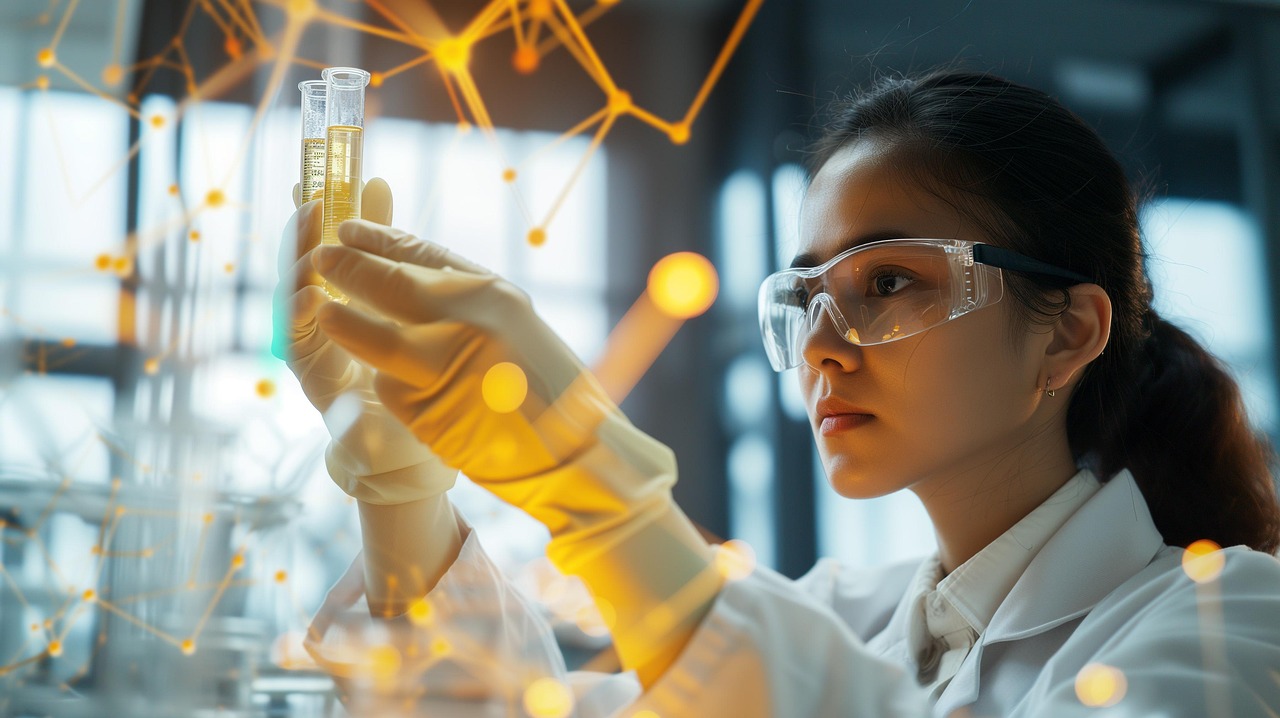
Genomic sequencing has helped Hong Kong identify appropriate cancer treatments more quickly and could position the city as a “super-linker” between mainland China and the rest of the world in drug development, according to Aya El Helali, a clinician-scientist in medical oncology at the University of Hong Kong.
El Helali praised collaboration within the Greater Bay Area for creating opportunities to run clinical trials more rapidly and at lower cost, factors that attract global pharmaceutical companies.
Genomic medicine, which uses a person’s genetic information to tailor care, can aid diagnosis of rare diseases and help determine which medications are likely to be effective. “We’re allowing all patients to have access to potential therapies that might affect their survival,” El Helali said at the International Symposium on Genomic Medicine in Hong Kong last month.
Sharing research on glioblastoma, the most aggressive type of brain cancer, El Helali said in-depth genomic sequencing of tumours has cut the time to identify suitable treatments to one to two years, compared with the five to 10 years typical under traditional approaches. Sequencing helps pinpoint specific molecular “keyholes” that new drugs can target.
Leave a Reply