Cancer treatment traditionally relies on surgery, radiation, and chemotherapy. In cases of advanced or aggressive tumors, a multimodal approach is most effective, combining these methods to target cancer on multiple fronts. Surgery removes the primary tumor and nearby lymph nodes, adjuvant radiation destroys residual microscopic cancer cells, and chemotherapy addresses cancer cells circulating in the body.
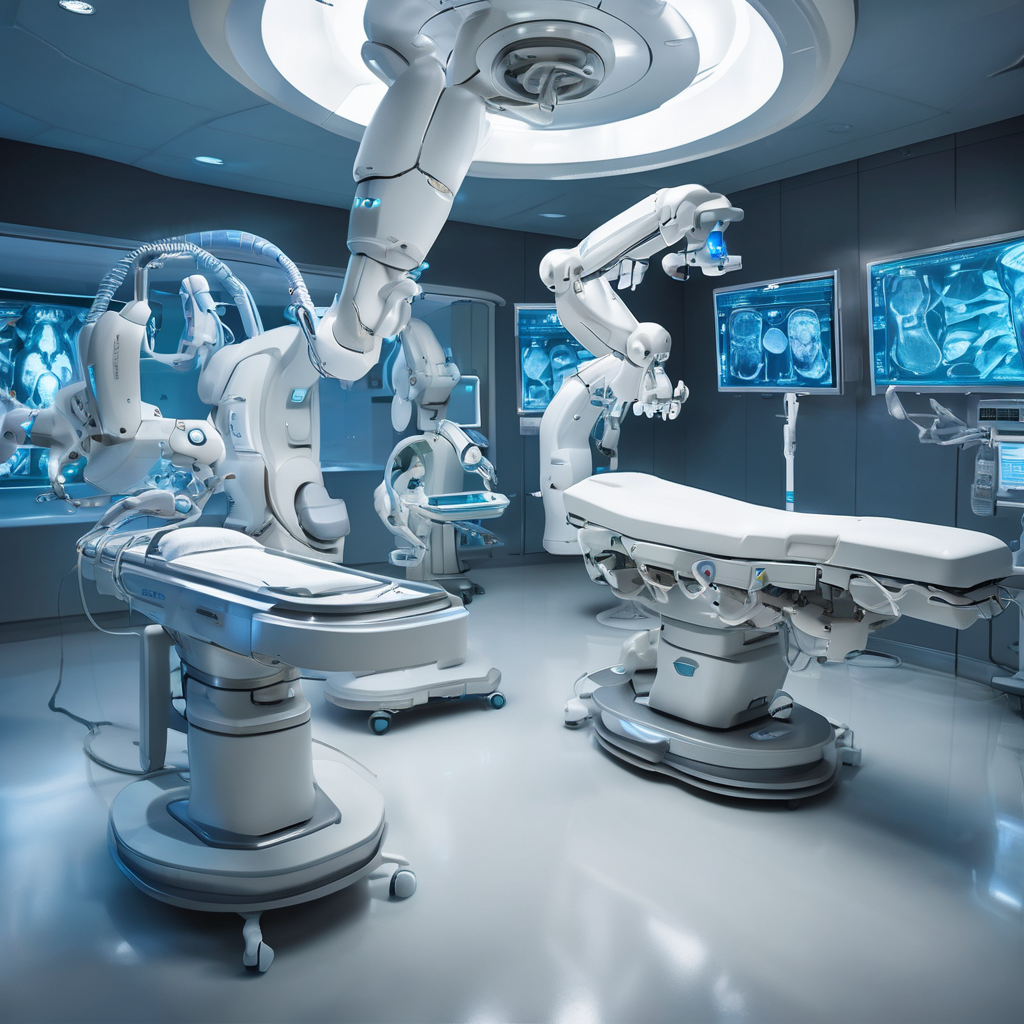
Robotic surgery is a rapidly growing form of minimally invasive surgery that enhances precision in cancer care. Unlike traditional open or laparoscopic surgeries, robotic platforms enable surgeons to operate with greater dexterity and accuracy in hard-to-reach areas. The most common system uses a master-slave telemanipulator controlled by the surgeon via a console, providing a magnified 3D view and enabling fine motor control with features like tremor filtration and motion scaling. This technology results in less pain, minimal blood loss, fewer infections, smaller scars, shorter hospital stays, and faster recovery for patients. Studies have demonstrated that cancer cure rates and long-term outcomes with robotic surgery are comparable to open and laparoscopic methods, especially for cancers of the prostate, cervix, endometrium, rectum, kidney, bladder, esophagus, lung, and throat.
Although robotic surgery is currently more expensive due to equipment and maintenance costs, prices are expected to decrease with increased market competition. Most health insurance plans in India now provide partial coverage for robotic procedures, following guidelines issued by the Insurance Regulatory and Development Authority of India in 2019. The robotic surgery market in India has seen a 53% growth in 2024 and is the fastest-growing in the Asia-Pacific region. Market value is projected to rise from $78 million in 2022 to $390 million by 2030. Future developments include the integration of artificial intelligence and enhanced ergonomic designs to reduce surgeon fatigue and complications, positioning robotic surgery as a growing standard of care for minimally invasive cancer surgeries.
Radiation therapy works by using high-energy X-rays to damage cancer cell DNA. While earlier machines lacked precision and often exposed healthy tissues to radiation, modern techniques have become highly personalized and accurate. Advances such as Image-Guided Radiation Therapy (IGRT) allow for real-time imaging to ensure precise tumor targeting while accounting for internal organ movements. Techniques like Intensity-Modulated Radiation Therapy (IMRT) and Volumetric Modulated Arc Therapy (VMAT) shape radiation beams to conform to tumor contours, reducing side effects in the treatment of head and neck, breast, brain, and prostate cancers.
Stereotactic radiation therapy, including Stereotactic Radiosurgery (SRS) for brain tumors and Stereotactic Body Radiation Therapy (SBRT) for lung, liver, and spine cancers, offers high-precision treatment delivered in just one to five sessions, compared to traditional protocols requiring 25 to 40 sessions. These methods minimize damage to surrounding healthy tissues and are often referred to as “surgery without a knife.”
Adaptive Radiation Therapy represents the next advancement, enabling treatment plans to be adjusted in real time based on tumor shrinkage or anatomical changes. The MR-Linac combines magnetic resonance imaging with radiation delivery, allowing visualization of the tumor during treatment and immediate modifications to account for movement, such as breathing-induced shifts.
In addition to X-ray-based treatments, proton and carbon-ion therapies provide targeted radiation with reduced long-term side effects, especially beneficial for pediatric patients. Emerging innovations like FLASH therapy, robotic assistance, tumor-tracking systems, and digital “virtual patient” models continue to evolve care. Artificial intelligence is also enhancing efficiency by automating tumor and organ delineation, enabling radiation oncologists to plan treatments more accurately and swiftly.
These technological advances in surgery and radiation therapy have made cancer treatment safer, more effective, and less burdensome for patients. They have improved outcomes, reduced side effects, shortened hospital stays, and increased satisfaction among healthcare providers, ultimately contributing to better survival rates and quality of life for patients.
Leave a Reply